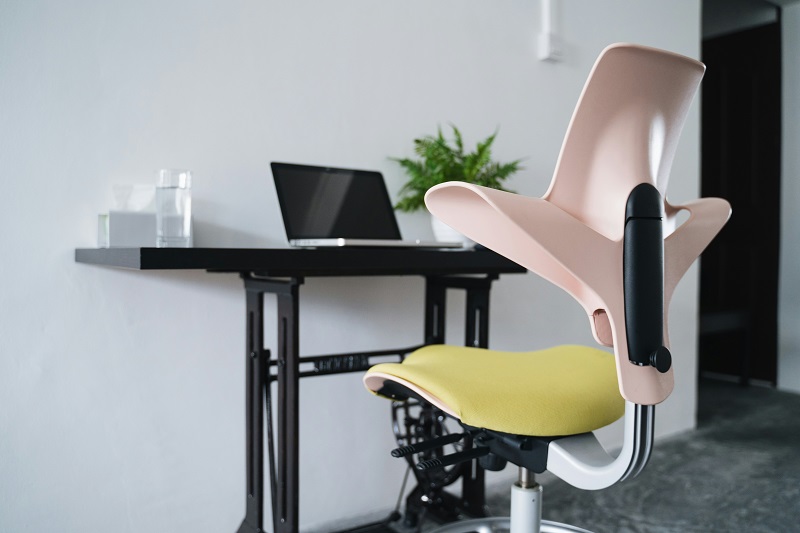
Creating a comfortable desk setup is very important, especially if you spend many hours sitting every day. Whether you are working, studying, or using a computer, the way you sit directly affects your body. Many people focus on desks, laptops, or lighting, but they often ignore the chair. In reality, the chair is the only thing supporting your body the entire time. If it is not comfortable or supportive, it can slowly cause pain and tiredness. That is why choosing the right option, such as supportive ergonomic office chairs, is one of the best decisions you can make for your workspace.
A good chair does more than just give you a place to sit. It helps your body stay in the correct position without effort. When your back, neck, and arms are supported properly, you do not need to keep adjusting your posture again and again. This makes your work easier and more comfortable, even during long hours.
Why the Right Chair Is So Important
When you sit for a long time, your body needs proper support in the right areas. Without this support, pressure builds up in your lower back, shoulders, and neck. At first, it may feel like a minor discomfort, but over time, it can become regular pain.
A well-designed chair supports the natural shape of your spine. It keeps your back straight while allowing you to sit in a relaxed way. This reduces strain on your muscles and helps your body stay balanced. When your posture is correct, your body does not get tired quickly, and you can continue working without discomfort.
What to Look for in a Comfortable Chair
Choosing the right chair is not just about how it looks. It should fit your body and allow you to adjust it easily. Everyone has a different height and sitting style, so a chair should be flexible enough to match your needs. A chair with adjustable height allows your feet to stay flat on the floor, which improves balance. A supportive backrest helps your spine stay in a natural position. Adjustable armrests help reduce pressure on your shoulders and arms.
One of the most important features is lumbar support. This supports the lower back and helps prevent slouching. When your lower back is supported, the rest of your body also stays in better alignment.
How to Sit in the Right Way
Even if you have a good chair, sitting in the wrong way can still cause problems. Your back should always touch the backrest to ensure full support. Your shoulders should stay relaxed and not lifted. Your head should stay straight, not leaning forward. Your knees should form a right angle, and your feet should stay flat on the ground. This position helps improve blood flow and reduces pressure on your legs. These adjustments may feel small, but they help your body stay comfortable for longer periods. Once you get used to sitting correctly, it becomes easier to maintain good posture throughout the day.
How a Good Chair Supports Your Daily Work
Comfort plays a big role in how well you work. When your body feels uncomfortable, your mind gets distracted. You may keep moving, stretching, or taking breaks just to feel better. This affects your focus and slows down your work. A comfortable chair helps you stay in one position without discomfort. This allows you to focus better and complete tasks more efficiently. When your body feels supported, your mind can concentrate fully on your work.
Reducing Body Pain and Fatigue
Sitting in an uncomfortable position for a long time puts pressure on your muscles. This makes your body work harder to stay balanced, which leads to tiredness. Even if your work is not physically demanding, you may still feel exhausted. A good chair reduces this strain by supporting your body properly. Your muscles can relax because the chair is doing the work of holding your posture. This helps reduce fatigue and keeps you comfortable even after long hours.
Creating a Comfortable and Balanced Setup
Your chair should match your desk and screen setup. If your chair is too high or too low, it can create an uncomfortable position for your arms and neck. Your screen should be at eye level so that you do not have to bend your neck. When everything is aligned correctly, your body remains in a natural, balanced position. You do not need to stretch or bend again and again. This makes your work smoother and helps you stay comfortable throughout the day.
Bringing It All Together
Setting up a comfortable desk begins with choosing the right chair. It may seem like a simple step, but it has a big impact on your comfort and health. A supportive chair helps you sit properly, reduces strain on your body, and improves your focus.
Over time, this leads to better work performance and less physical discomfort. When your body feels good, your work becomes easier. A well-chosen chair is not just about comfort—it is an important part of a healthy and productive daily routine.