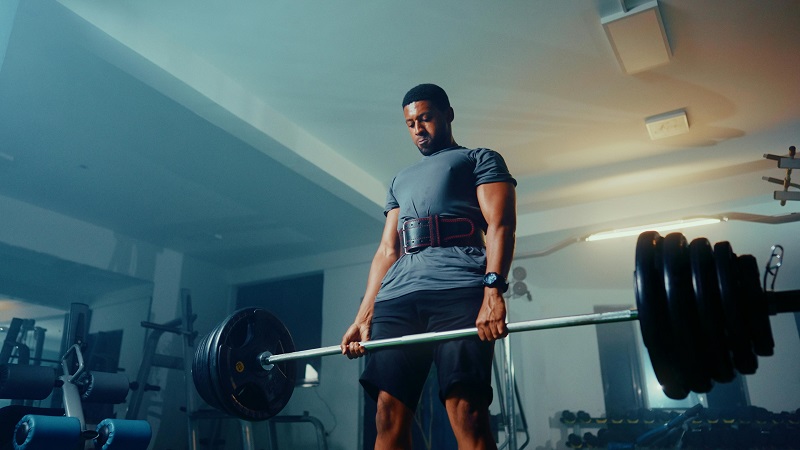
A weightlifting belt can provide lift stability and a sense of confidence under heavy loads, but only if it is the best option for your goals. With so many styles and designs, it can be hard to know which one will give you the support you need. The secret is to ignore the appearance and to concentrate on how the belt functions under stress. Understanding which features are necessary will allow you to make a decision that maximizes safety and lifting power.
Material Quality
The material used directly affects how effective a weightlifting belt will be. People looking to buy weightlifting belt options often compare materials closely because long-term support depends a lot on build quality. High-quality leather is usually very dependable and tends to hold its performance for a long time.
Synthetic choices can likewise offer sturdiness, but they can also differ in firmness and adaptability. Residents judge the stitching, finishing, and reminiscence, for example, and signs of solid craftsmanship. It also does not wear down or lose its shape over multiple uses.
Thickness and Width
The thickness and the width of a belt contribute to how much support it can give to the core. Thick belt—typically 10 millimeters—this type provides a level of firm stability to support those heavy lifts. Nevertheless, too much thickness may compromise comfort, especially among active users. This type of uniform pressure across the abdominal region and lower back is typically associated with a width of four to six inches. You can expect uniform support from the belt because it is flat across its width.
Comfort and Fit
However, proper fit is still paramount for comfort and safety. Your weightlifting belt should feel secure, but it should not feel like you are restricting your breath or movement. Adding the adjustable sizing facilitates different body types as well as ultimate fit. The inner side has padding for skin comfort during lengthy use. Choose a belt with smooth edges to avoid pinching and bruising. Try different sizes before deciding, as it will make your gym set more comfortable.
Closure System
The locking mechanism significantly influences convenience and security. Prong buckles stay in place and are adjustable, just like they should be. If you choose the lever buckle that allows for quick fastening, it is also a good option for adjusting between sets as often as possible. They are simple to use, especially for kids, but Velcro clasps can wear out sooner. If you do heavy lifts a lot, checking the buckle construction and ability to take the load is an investment in avoiding an unpleasant failure. The closure system is sturdy, ensuring that the belt stays in place.
Support and Stability
As a weightlifting belt, you want to support your core and lower back during lifts. It allows for positioning without injury. The belt should apply an evenly distributed pressure around the torso without discomfort and hindrance of movement. Having consistent pressure builds the abdominal wall, which aids in bracing during squats/deadlifts, etc. A stable surface to train on creates a more reliable environment, which gives lifters more confidence and allows them to focus on their technique.
Purpose and Use Case
The features of a lifting belt will differ based on the style of lifting you do. A powerlifter may want a thicker, stiffer belt to provide maximum support during heavy attempts. Olympic-style lifters tend to wear more flexible belts that provide more freedom of movement. Lifters looking to maximize general strength should find a way to make rigidity comfortable. Matching the belt type to specific needs and training goals will be assured when considering the primary activities.
Durability and Maintenance
In the end, you want a weightlifting belt that can get this type of frequent use and not become out of shape or out of strength. Choosing a durable belt that features reinforced stitching and high-quality hardware will help your belt last even longer. Keeping the material clean and stored properly can prolong the life span of the material and presentation. Keeping it away from moisture and excess heat prevents damage and helps keep the belt in excellent condition.
Conclusion
So here are extremely vital factors that you need to look for when choosing a proper weightlifting belt. A vast range of factors contribute to how effective a belt is—material quality, thickness, width, and fit. Satisfaction and safety are also affected by closure systems, intended use, and durability. And taking the time to compare things helps guarantee that one finds gear that will truly assist in one phase of the lifting journey or the next.