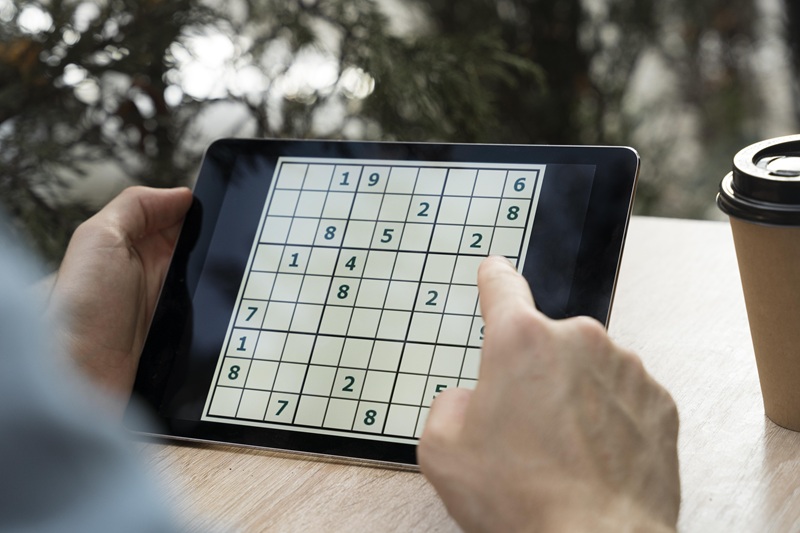
Have you ever caught yourself with the TV running in the background, as you catch up on a series or scroll through TikTok? You won’t be the only one. Nowadays, people are so used to having access to multiple screens all at once. It’s used to catch up with friends during your downtime.
What Is the Second Screen Trend?
The second screen trend describes how you use a phone or tablet alongside television rather than instead of it. You might scroll social media during ad breaks or check for updates on a sports app while watching a match. This behaviour grew alongside streaming services, which removed fixed schedules and let you decide how absorbed you wanted to be.
Rather than pulling you away from the main screen, the second device often fills the gaps that television leaves behind. Your brain stays lightly engaged instead of drifting, which helps explain why many people feel more settled with something small to interact with while they watch.
Why Casual Games Fit Perfectly Alongside TV
Casual games work because they ask little from you while still giving something back. You don’t need to memorise complex rules, follow a detailed storyline or react at speed. A quick puzzle or number-based game fits neatly between scenes and pauses without demanding constant attention.
Bingo as a Second Screen Activity
Bingo stands out as one of the most natural second-screen companions because it already works in short, focused bursts. Numbers appear, you check your card, then you wait. That rhythm mirrors the ebb and flow of most television, where missing a few seconds rarely matters.
Online play also removes the friction that once defined the game. You can log into a bingo site, choose low-stakes rooms, and play at a pace that suits the programme you’re watching. For example, during a one-hour drama, you might join a game that lasts ten minutes, then step away without penalty when a key scene arrives.
How Entertainment Habits Are Evolving
Second screen habits reflect how global trends are shaping the future of entertainment. Streaming lets you pause, rewind and resume at your own will, while mobile games offer drop-in, drop-out play that respects limited time and energy. Together, they create evenings that feel less rigid.
Seen this way, second-screen habits aren’t about divided attention at all. They reflect how you manage comfort, stimulation and control in a media landscape that rarely pauses on its own. Pairing television with a gentle game like bingo shows how entertainment has softened around the edges, becoming something modular rather than all-consuming. Instead of choosing between watching and playing, you shape an evening that matches your pace, dipping in and out without friction.