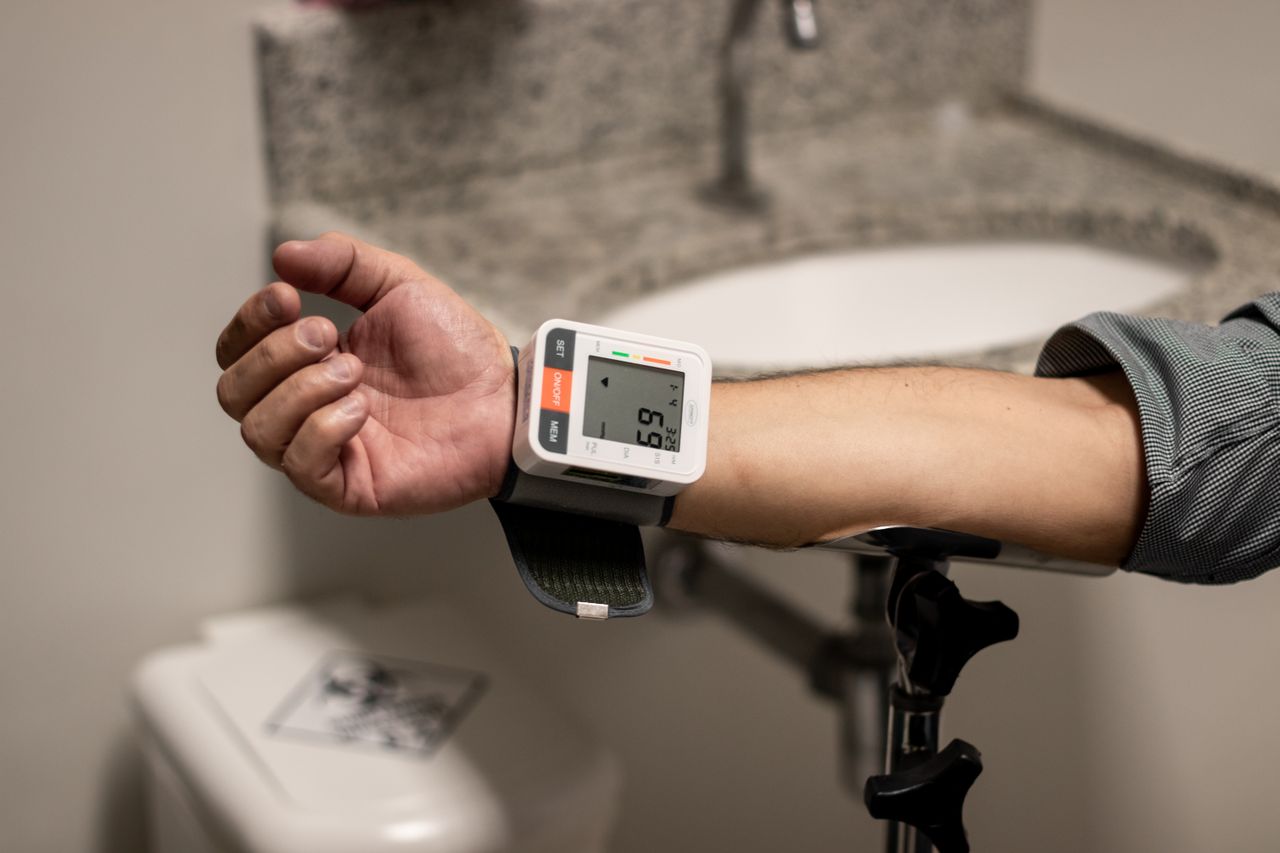
Blood pressure is measured on one arm, but it is managed by a household. Meals are cooked collectively, walks are taken together or not at all, and medication routines succeed or fail in kitchens and hallways rather than consulting rooms. The families who handle cardiovascular risk best tend to be the ones who treat it as a shared project — and shared projects run on shared information.
Why Family Data Changes Behaviour
Private numbers produce private resolve, which fades privately. Shared numbers produce something sturdier: gentle accountability, timely encouragement, and the quiet motivation of knowing that someone who cares will see the trend. Behavioural research on shared health goals is consistent — adherence improves when progress is visible to a supportive other.
The dynamic matters most across distance. Adult children living cities away from ageing parents once relied on phone calls and guesswork. A shared health feed replaces both: readings flow automatically, anomalies raise flags, and the weekly phone call can be about life rather than interrogation.
Setting Up Sharing Thoughtfully
Good sharing is consensual, specific and calm. Agree in advance what is visible, who sees it, and what triggers a conversation. A blood pressure smartwatch paired with a family health community makes the mechanics simple — invitations, permission levels, real-time alerts — but the social agreement matters more than the setup screen. The goal is reassurance, not surveillance.
Boundaries keep the arrangement healthy. The wearer’s data remains theirs; the family sees what helps them help. Most households settle on trend visibility plus alerts for unusual readings, which is enough to catch problems early without turning breakfast into a clinical review.
Parents, Partners and Peace of Mind
The classic use case is the elderly parent living independently. Readings that arrive automatically answer the daily unspoken question — is everything all right — without the parent needing to do anything beyond living normally. When a reading runs high, an alert reaches the family member who can call, visit or simply check in with context rather than alarm.
Partners share differently but benefit similarly. Two people improving habits together — evening walks, lower-salt cooking, earlier nights — can watch the same trend line respond. Progress becomes a joint achievement, and setbacks become joint puzzles rather than private failures.
Turning Alerts Into Action
An alert is only as useful as the response it triggers. Households that discuss the playbook in advance — who calls, what counts as urgent, when to contact a professional — convert notifications from spikes of anxiety into calm, rehearsed steps. Most alerts resolve with a conversation and a repeat reading; the rare serious one gets the fast attention it deserves.
It also helps to define what is not actionable. Day-to-day variation is normal and expected; the trend over weeks is the signal. Families that learn this distinction avoid the exhaustion of reacting to every wiggle and reserve their energy for the patterns that matter.
Keeping It Positive
The tone of shared health determines its longevity. Data used to criticise — another high reading, another missed walk — poisons the arrangement within weeks. Data used to celebrate and support — a lower monthly average, a consistent streak, a calm week after a hard month — builds a culture people stay in.
Small rituals sustain the positivity: a weekly glance together at the chart, a message marking a good trend, an agreement that the numbers open conversations rather than close them. The technology supplies the information; the household supplies the warmth that makes the information useful.
When the Numbers Change the Menu
Shared data has a way of reaching the kitchen. A household watching its trend lines starts seasoning differently, reading labels together, and treating salt as a budget rather than an instinct. The change rarely arrives as a diet; it arrives as a series of small, shared decisions that nobody experiences as sacrifice because everybody sees the reason.
Cooking becomes part of the monitoring loop in the best sense. A lower-sodium fortnight shows up in the readings; a celebratory takeaway weekend shows up too, and both observations are fine. The point is not restriction but literacy — a family that can see what food does to pressure makes informed choices automatically, and the trend line grades the experiment honestly.
The same logic follows the household out of the kitchen. Restaurant choices get compared with a little more honesty, the weekly shop slowly rearranges itself toward the fresh aisles, and experiments — a month of home-cooked lunches, a switch to herbs over the salt cellar — become family projects with visible results. Eating well stops being a rule imposed from outside and becomes a game the household is winning together.
Health, Held in Common
Cardiovascular risk accumulates quietly for years, and the strongest counterweight is a household that notices early and responds kindly. Shared readings make noticing automatic and responding natural. For families spread across postcodes and generations, a blood pressure smartwatch connected to the people who care closes an old gap — the distance between one person’s health and everyone who wants to help protect it, bridged daily by data that arrives without asking.