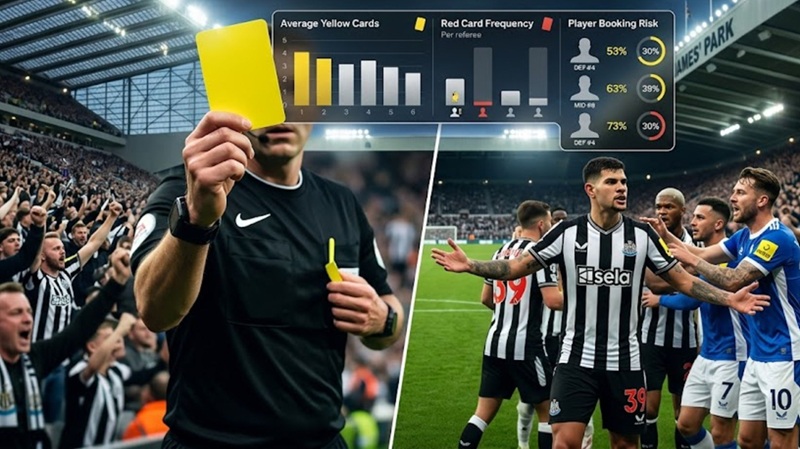
Card betting markets in Newcastle United games depend on discipline, match tempo, and referee control. Team style, tactical pressure, and late game tension often shape booking patterns. A structured approach focuses on facts like referee trends, player roles, and match context instead of guesswork.
Understanding Card Markets in Newcastle Fixtures
Card betting markets focus on yellow and red cards instead of goals. These markets include totals, team card counts, and player booking options. Newcastle matches often bring strong pressing and physical duels. That intensity can increase fouls, frustration, and tactical challenges. Many bettors follow these markets through platforms such as 1xbet in Jordan, where card lines and referee trends often appear alongside other match options.
A good approach starts with knowing what drives bookings. Cards often come from late tackles, stopping counterattacks, or dissent. Referees also shape outcomes through their tolerance levels. Each match has its own rhythm, so context always matters.
Referees and Discipline Trends
Referee habits play a major role in card betting markets. Some officials show early yellows to control tempo. Others allow more contact before taking action. Newcastle matches at St James’ Park can also add crowd pressure and emotional intensity.
Before placing any card bet, checking referee patterns helps create a clearer picture.
Here are key referee factors that often influence card totals:
- Average yellow cards shown per match in recent seasons
- Frequency of red cards and strictness on reckless tackles
- Approach to dissent, time wasting, and player reactions
- Past history with Newcastle or similar high tempo teams
Newcastle Style and Player Roles
Newcastle often play with high energy and direct pressure. Their pressing forces opponents into rushed decisions. That pressure can lead to repeated fouls and eventual bookings. Newcastle also commit tactical fouls during transitions to stop counterattacks.
Player roles also affect card probability. Defenders and midfield disruptors usually carry higher booking risk than forwards. Fullbacks face repeated duels against wingers, which often leads to late challenges. Before considering player card markets, these points help guide analysis:
- Defensive midfielders often collect bookings through tactical fouls
- Fullbacks face constant recovery runs and one on one pressure
- Center backs risk cards when stopping fast breaks near the box
- Substitutes may commit late fouls when protecting a narrow lead
Choosing the Right Card Market
Different card markets fit different match situations. Totals work well when both teams show aggressive styles. Team card bets suit matches where one side stays under pressure. Player card bets require clear tactical roles and enough playing time.
The table below shows how each market type connects to match context.
| Market Type | Best Used When Match Context Includes | Main Risk Factor |
| Total Cards | High intensity, rivalry, late pressure | Referee leniency |
| Team Cards | One side defends deep or gets pressed | Uneven match flow |
| Player Card Bets | Clear duel exposure and tactical fouls | Early substitution |
| Red Card Markets | Heated fixtures with reckless patterns | Low frequency events |
Match State and Timing in Card Betting
Game state changes card risk throughout ninety minutes. A close scoreline often increases fouls late on. A trailing team presses harder and commits more challenges. A leading team may slow play and invite dissent bookings.
Timing matters in live card markets. Early fouls without cards may signal referee patience. A quick early yellow can also raise tension and future bookings. Avoid chasing sudden momentum swings without strong reasoning.
Opponent Style and Its Effect on Card Totals
Opponent behavior often shapes card outcomes more than Newcastle alone. Teams that rely on fast counterattacks often draw tactical fouls from midfielders trying to stop transitions. Possession heavy sides may reduce open duels but increase frustration fouls when pressed.
Clubs that play with direct long balls create aerial battles and physical clashes. Studying the opponent’s approach helps predict where fouls will occur. Card markets become clearer when both team styles match up aggressively.
Home Atmosphere at St James’ Park
Newcastle home matches often carry extra intensity because of the stadium atmosphere. The crowd reacts strongly to challenges, refereeing decisions, and momentum shifts. This environment can raise emotional pressure on visiting players, leading to rushed tackles or dissent.
Referees may also act faster to control heated phases early. Opponents defending deep for long periods often commit repeated fouls. Home context sometimes supports higher opponent card counts in tight fixtures.
Fixture Congestion and Squad Rotation Effects
Busy schedules can increase card risk in subtle ways. Fatigue reduces reaction time and leads to mistimed tackles late in matches. Rotated lineups may lack cohesion, causing poor positioning and desperate fouls. New players can bring energy but also commit reckless challenges under pressure.
Newcastle matches during congested periods often show sharper swings in discipline. Checking recent minutes played and upcoming fixtures helps evaluate whether players face higher booking risk.
Common Mistakes to Avoid in Newcastle Card Markets
Many bettors rely too much on rivalry narratives or emotional match hype. Cards include randomness, but strong preparation reduces poor decisions. Referee style, tactical pressure, and player roles offer better structure than guessing.
Avoid overloading too many markets at once. Focus on one or two clear angles. Keep stakes steady because single moments can change outcomes. Discipline and patience matter more than constant action.
A Steady Method for Long Term Results
Approaching card betting markets in Newcastle United games requires calm analysis. Referee trends provide the starting point. Team style explains pressure and foul patterns. Player roles highlight who faces repeated duel risk. Match state shows when tension rises late.
A structured approach avoids impulse decisions and improves consistency. Card markets reward preparation, not guesswork, and the best results come from clear reasoning and controlled risk.