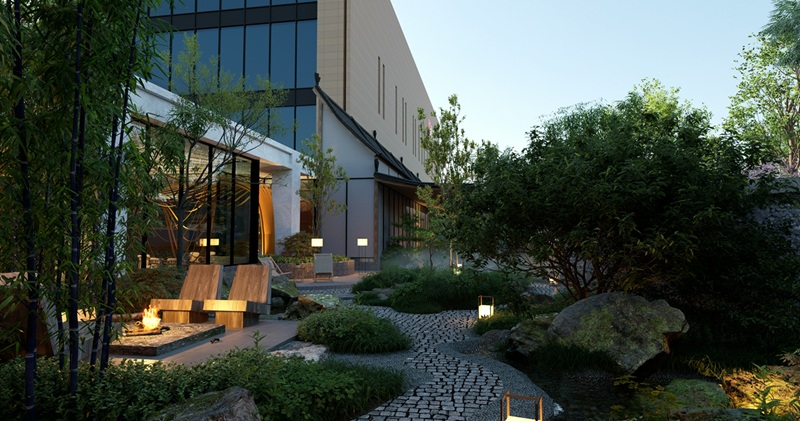
Presentation and lifestyle appeal are central to the premium property market. While interior refurbishment often receives the greatest attention, well-considered garden design can have an equally significant impact on property value. Outdoor space is an extension of the home. When designed with care and purpose, a garden enhances first impressions, broadens functional living space and strengthens long-term investment potential.
First impressions and kerb appeal
Buyers form an opinion within moments of arriving at a property. A thoughtfully designed front garden creates a sense of quality and care. Structured planting and defined pathways signal that the home has been maintained to a high standard. Even relatively modest improvements, such as tidy borders, fresh planting schemes and carefully installed garden edging, can transform a frontage from ordinary to refined.
Kerb appeal influences perceived value. A property that appears well presented externally suggests similar standards internally. In competitive markets, this initial impression can encourage higher offers and faster transactions.
Extending usable living space
One of the most significant ways garden design adds value is by increasing usable square footage. While outdoor areas are not counted in the same way as internal rooms, buyers increasingly seek properties that offer versatile external living. Well-planned terraces, seating areas and outdoor kitchens create additional zones for dining, entertaining and relaxation.
The key lies in cohesion between house and garden. Materials that complement the architecture, level thresholds between interior and exterior, and thoughtful lighting design all contribute to a seamless transition. A garden that feels like an outdoor room can meaningfully enhance perceived space, particularly in urban locations where internal floor area may be limited.
Lifestyle enhancement
Premium buyers are investing in a lifestyle. A professionally designed garden supports this aspiration. Family-friendly lawns, low-maintenance planting, private courtyards or mature trees for shade each appeal to different buyer profiles. Understanding the likely demographic in a given location allows garden design to align with market demand.
In areas where entertaining is a priority, features such as integrated seating, fire pits or outdoor heating may prove attractive. In more tranquil residential settings, emphasis on planting, privacy and sensory planting schemes may hold greater appeal. The stronger the emotional connection a buyer feels when viewing the garden, the more likely they are to attribute additional value to the property as a whole.
Privacy and tranquillity
Privacy is a premium commodity, particularly in densely populated neighbourhoods. A well-designed garden can screen neighbouring properties through strategic planting, fencing or architectural features without compromising natural light. Layered planting, evergreen hedging and carefully positioned trees provide year-round structure and seclusion.
Sustainability and long-term appeal
Environmental considerations increasingly influence purchasing decisions. Gardens designed with sustainability in mind often attract informed buyers who value long-term efficiency. Native planting schemes, rainwater harvesting, permeable paving and biodiversity-friendly layouts demonstrate responsible stewardship of the land.
Low-maintenance design is equally important. Busy professionals may favour structured planting with automated irrigation and durable materials that require minimal upkeep. A garden that looks impressive without demanding constant attention holds strong practical appeal.
Market differentiation
In competitive prime markets, distinctive outdoor space can set a property apart. Where comparable homes offer similar internal accommodation, a superior garden may become the deciding factor. Estate agents frequently highlight landscaped grounds, mature gardens and outdoor entertaining areas in marketing materials, recognising their influence on buyer perception.
For larger country homes, extensive grounds can significantly influence overall valuation. In urban settings, even compact courtyards benefit from thoughtful design that makes the most out of every square metre.
Conclusion
Garden design should be regarded as a strategic investment rather than a cosmetic afterthought. By enhancing kerb appeal, extending living space, improving privacy and aligning with contemporary lifestyle expectations, a well-designed garden contributes meaningfully to property value. In the premium sector, where presentation and experience carry substantial weight, outdoor space often plays a decisive role.
For homeowners considering improvements prior to sale, professional garden design offers measurable returns. When executed with care, the garden becomes an integral component of the property’s overall worth.