Site Assessment And Hazard Identification
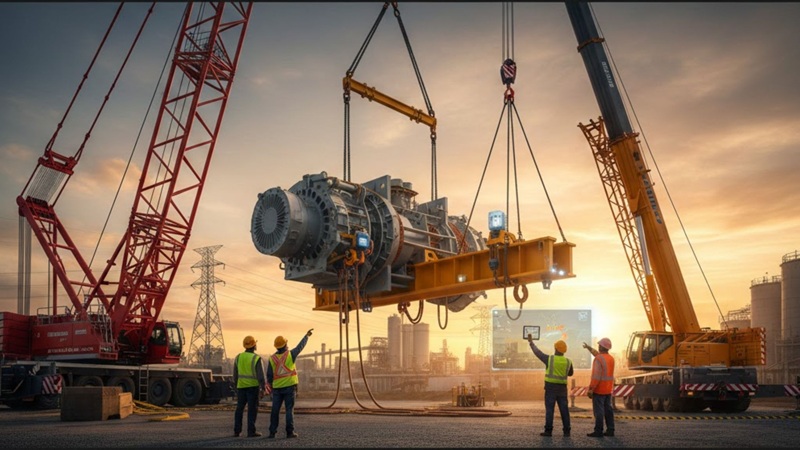
Before any heavy lifting begins, a thorough site assessment is non-negotiable. This involves walking the job site, looking for anything that could cause problems. Think about overhead power lines, underground utilities, unstable ground, or even just tight spaces. Identifying these potential hazards early on is key to preventing accidents and delays. A good site assessment for any engineered lift plan means looking at the big picture and the small details.
- Identify all potential obstructions.
- Assess ground conditions for stability.
- Note environmental factors like wind and visibility.
This initial step sets the stage for everything that follows. Without a clear understanding of the site, the rest of the planning process is built on shaky ground. It’s about being proactive, not reactive, when it comes to safety and efficiency.
Precise Load Analysis And Center Of Gravity
Understanding the load is just as important as understanding the site. Every object to be lifted has a specific weight and, critically, a center of gravity. Knowing these details precisely helps in selecting the right equipment and rigging. If the center of gravity isn’t accounted for, the load can shift unexpectedly, leading to dangerous situations. This analysis is a core part of developing any engineered lift plan.
Accurate load analysis prevents unexpected movement.
This involves consulting equipment manuals, weighing the load if possible, and sometimes using specialized tools to find the center of gravity. It’s a technical step that requires attention to detail. Getting this wrong can have serious consequences, so it’s an area where precision is paramount.
Comprehensive Rigging Plan Development
Once the site and load are understood, the rigging plan itself takes shape. This is where all the information comes together to detail exactly how the lift will happen. It includes selecting the right rigging gear, like slings and shackles, and figuring out how they will attach to the load and the lifting equipment. The plan must also account for the sequence of operations and any specific procedures needed.
A well-documented rigging plan is the blueprint for a safe and successful lift.
This plan isn’t just a suggestion; it’s a detailed guide. It covers everything from the type of crane to the specific angles of the slings. Developing a comprehensive rigging plan is a critical phase in the engineered lift plan process, ensuring all aspects are considered before the first piece of equipment is moved.
Selecting The Right Rigging And Hoisting Equipment
Understanding Equipment Specifications
Choosing the correct rigging and hoisting equipment is more than just picking the biggest or strongest option available. It requires a deep dive into the specifics of the load and the lift itself. Every piece of gear, from the smallest shackle to the largest crane, has a rated capacity and intended use. Understanding these specifications is the first step in preventing equipment failure and ensuring a safe operation. This means looking beyond just the weight capacity and considering factors like the equipment’s reach, stability, and compatibility with other components in the rigging setup. For instance, a synthetic sling might be ideal for protecting a delicate surface, while a wire rope sling might be better suited for a rougher, heavier load. The right equipment specifications directly impact the success of any engineered lift plan.
High-Performance Synthetic Ropes
In modern rigging, high-performance synthetic ropes are becoming indispensable. They offer a compelling alternative to traditional steel cables, boasting a superior strength-to-weight ratio. This makes them easier to handle and reduces strain on both operators and other rigging components. Their flexibility also allows for better load cradling and can minimize damage to sensitive cargo. When selecting synthetic ropes, it’s important to consider their specific material composition, such as Dyneema or polyester, as each offers different properties regarding abrasion resistance, UV stability, and temperature tolerance. Proper care and inspection are still vital, but their inherent resistance to corrosion and fatigue makes them a reliable choice for many demanding lifts.
Adjustable Spreader Beams And Specialized Gear
For complex lifts involving off-center loads or when a wider lift point distribution is needed, adjustable spreader beams are invaluable. These beams allow for precise control over the load’s balance and stability, especially when dealing with irregularly shaped or heavy items. Many specialized pieces of gear exist to tackle unique challenges, from hydraulic gantries for confined spaces to custom-engineered lifting frames. The key is to match the specialized gear to the specific demands of the lift. This often involves consulting with rigging specialists who can assess the situation and recommend the most appropriate equipment. Selecting the right rigging and hoisting equipment means having the right tools for the job, no matter how unusual.
Leveraging Technology For Advanced Lift Planning
Computer-Aided Lift Planning Systems
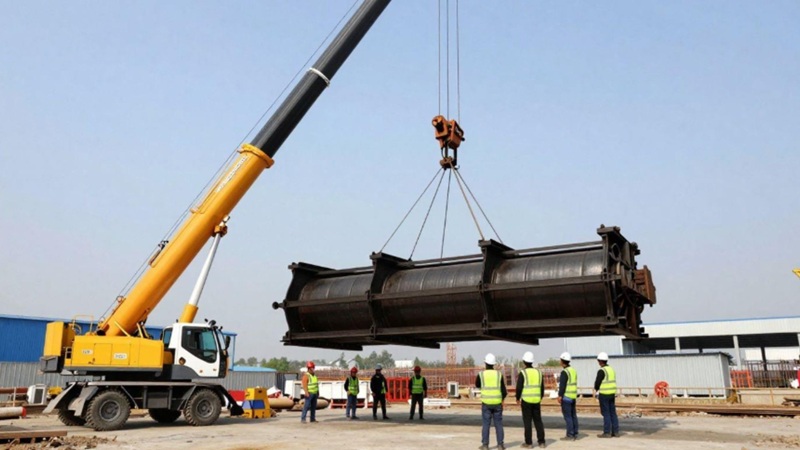
Modern rigging and hoisting specialists don’t just rely on experience; they use advanced computer-aided lift planning (CALP) systems. These software tools are a big step up from old-school methods. They let planners create detailed simulations of lifts, testing different scenarios before anything happens on site. This means potential problems can be spotted and fixed early, saving time and preventing costly mistakes. Using CALP is key to making sure every lift is planned with precision and safety in mind.
3D Lift Planning and Visualization Tools
Visualizing a complex lift can be tough, but 3D lift planning software makes it much easier. These tools create detailed, three-dimensional models of the lift site, showing exactly where cranes, loads, and other equipment will be. This visual approach helps everyone involved understand the plan clearly. It’s like having a virtual dry run before the actual lift. This technology is a game-changer for communication and confidence among project teams and clients.
Smart Rigging Sensors For Real-Time Monitoring
Once a lift is underway, smart rigging sensors provide real-time data that keeps operations safe. These sensors can monitor load weight, balance, and movement, sending alerts if anything goes outside the planned parameters. This constant feedback loop is invaluable for preventing overloads or unexpected shifts. Integrating these sensors into rigging project management means immediate adjustments can be made, further reducing risk during critical lifting operations.
Operational Procedures And Communication Protocols
Defining Roles And Responsibilities
Clear roles prevent confusion. Everyone on the team needs to know their job before the lift begins. This isn’t just about who operates the crane; it includes the signal person, the rigger, and the supervisor. Having defined responsibilities means fewer mistakes and a safer job site. It’s about making sure the right people are doing the right things at the right time.
Establishing Weather Limitations
Mother Nature can be unpredictable. That’s why we set clear weather limits before any lift. High winds, heavy rain, or lightning can make a lift unsafe. We monitor forecasts closely and have a plan for when conditions change. Safety always comes first, no matter the schedule.
Clear Communication For Accident Prevention
Communication is key to preventing accidents. We use standard hand signals and radios to talk to each other. Everyone needs to understand the signals and instructions. This constant communication keeps the lift on track and everyone safe. Good communication protocols are vital for any heavy lift operation.
The Importance Of Documentation And Compliance
Ensuring Regulatory Adherence
When you’re dealing with heavy lifts, following the rules isn’t just a suggestion; it’s a requirement. Regulatory bodies like OSHA have specific rules for rigging operations, and these aren’t just guidelines – they’re the law. Proper documentation proves you’re meeting these standards. This means keeping records of training, certifications, and equipment inspections. Without this paper trail, you can’t show you’re operating safely and legally. It’s about making sure everyone goes home safe at the end of the day, and that means sticking to the regulations.
Maintaining Detailed Inspection Records
Think of inspection records as the history book for your rigging gear. Every sling, chain, and shackle needs to be checked regularly. Before each use, a quick visual check is a must. Then, there are more thorough inspections that need to happen periodically, usually annually, by someone trained to spot problems. These records need to show what was found, when it was inspected, and if any repairs were made. This detailed record-keeping is vital for equipment integrity and helps track its lifespan. If a piece of gear shows damage, it’s out of service immediately. No exceptions.
Engineering Approvals And Qualification Records
Beyond routine checks, certain lifts require specific engineering approvals. This is especially true for complex or high-risk operations. These approvals confirm that the lift plan has been reviewed by qualified engineers and meets all safety and structural requirements. Qualification records for personnel are just as important. They show that the riggers, crane operators, and supervisors have the necessary training and experience to perform their roles safely. Having these documents in order is key to demonstrating competence and adherence to best practices in rigging project management.
Choosing Expert Rigging And Hoisting Specialists
Evaluating Technical Experience And Track Record
When you need heavy loads moved, picking the right rigging and hoisting specialists is a big deal. It’s not just about finding someone who has the gear; it’s about finding people who know their stuff. A solid track record means they’ve likely faced and solved similar challenges before. This experience helps them spot potential problems before they happen, saving time and preventing costly mistakes. Think about it: have they handled lifts like yours? What kind of projects do they usually take on? Asking about their history gives you a good idea of their capabilities.
Assessing Specialized Capabilities
Not all lifts are created equal. Some jobs need a standard approach, but others require a more tailored solution. This is where specialized capabilities come into play. Maybe your load is unusually shaped, or the site has tricky access. You’ll want rigging and hoisting specialists who can adapt. Do they have experience with complex configurations or delicate equipment? Look for teams that can offer custom rigging solutions, not just off-the-shelf answers. This kind of focused skill set is what makes a big difference in difficult situations.
Reviewing Equipment And Full-Service Support
Having the right tools is half the battle. When you’re looking at rigging and hoisting specialists, check out their equipment. Is it modern? Well-maintained? Do they have specialized gear like advanced spreader beams or load-monitoring sensors? Beyond just the hardware, consider the support they provide. Do they offer a full package, from initial planning and site assessment right through to the execution of the lift? A team that handles everything can simplify your project, reduce coordination headaches, and improve overall accountability. It means you’re working with one reliable partner for your critical lifting needs.
Risk Mitigation And Safety In Heavy Lifting
Daily Equipment Inspections and Vigilance
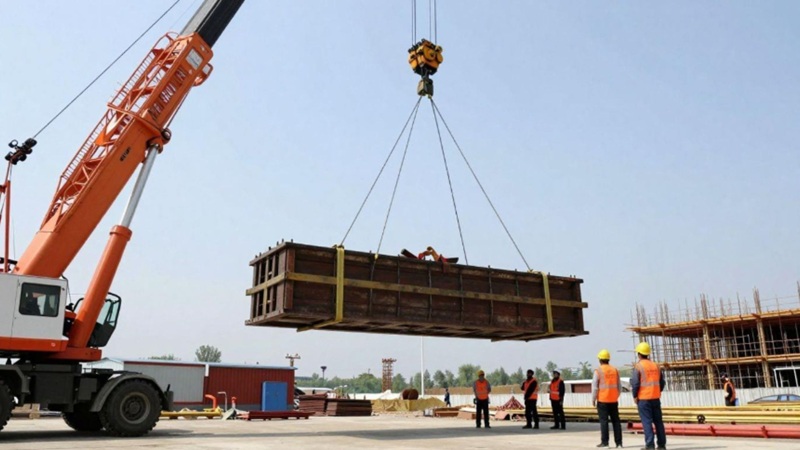
Safety in heavy lifting starts with a sharp eye and a consistent routine. Before any load moves, a thorough check of all rigging gear is non-negotiable. This means looking closely at slings, chains, shackles, and any other hardware. We’re talking about spotting wear, nicks, or any sign that something isn’t quite right. Equipment that doesn’t pass muster is immediately taken out of service. This daily vigilance is a core part of our risk mitigation strategy, preventing potential failures before they can even happen. It’s about being proactive, not reactive, when dealing with massive weights.
Proper Edge Protection for Sling Integrity
Sharp edges are a rigging specialist’s worst enemy. A simple, overlooked sharp corner can cut through a sling in an instant, turning a controlled lift into a serious hazard. That’s why we pay close attention to protecting slings from abrasive or cutting surfaces. Using appropriate padding or guards at all contact points is a simple step that makes a huge difference in maintaining sling integrity. It’s a detail that might seem small, but it’s vital for the overall safety of the operation and the longevity of the equipment.
Contingency Planning for Adjustments
Even the most meticulously crafted engineered lift plans can encounter unexpected issues. That’s where solid contingency planning comes in. We always build in flexibility, anticipating potential problems like shifting load centers or minor environmental changes. Having backup procedures and alternative equipment ready means we can adapt quickly without compromising safety. This foresight is key to smooth operations and avoids costly delays or dangerous improvisations. It’s about being prepared for the unexpected, making sure the lift continues safely and efficiently.
Wrapping Up: The Importance of a Solid Lift Plan
So, when it comes to moving really heavy stuff, it’s clear that just winging it isn’t an option. Building a solid engineered lift plan is the real deal for keeping things safe and on schedule. It’s all about looking ahead, figuring out what could go wrong, and having a clear plan for everything. Using the right tools, having experienced people on board, and sticking to the plan makes a huge difference. It’s not just about lifting a load; it’s about making sure the whole operation runs smoothly, without any unexpected stops or problems. That’s how you get the job done right and keep everyone safe.