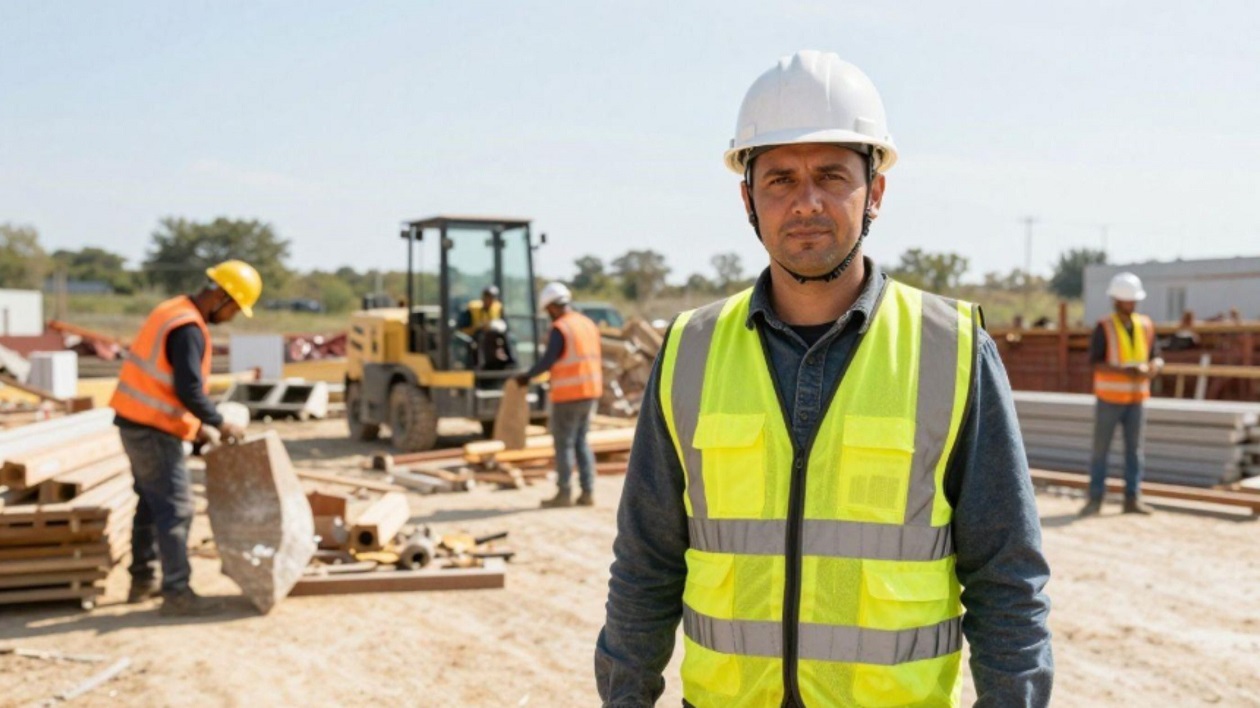
Setting clear expectations for contractors right from the start is key to a safe worksite. It’s not just about getting the job done; it’s about getting it done without anyone getting hurt. This means being upfront about what you expect regarding safety before any work even begins. When you bring on contractors, you’re essentially bringing new people onto your turf, and you need to make sure they understand the rules of the road, safety-wise.
Define Scope of Work and Potential Hazards
Before you even think about signing a contract, you need to lay out exactly what the job entails. This isn’t just about the tasks themselves, but also about identifying any potential dangers that come with the work. Think about what could go wrong and communicate that clearly. This upfront hazard identification helps contractors come prepared with the right knowledge and equipment. It’s about making sure they know the risks involved so they can plan accordingly. This clear definition of the scope of work and its associated hazards is the first step in building a safe working relationship.
Communicate Safety Standards and Guidelines
Once the scope is clear, you need to tell contractors exactly what your safety standards are. This includes any specific rules, procedures, or guidelines they must follow while on your site. Don’t assume they know your ways; provide them with all the necessary information. This might involve handing over safety manuals, pointing out emergency exits, or explaining your reporting procedures for any incidents. Communicating these standards helps contractors understand your safety culture and what’s expected of them. It’s vital that they know how to report safety concerns and have the right personal protective equipment (PPE) for their tasks.
Verify Contractor Qualifications and Experience
It’s also important to check if the contractors you’re hiring are actually qualified to do the job safely. This means looking into their licenses, certifications, and past work history. Do they have a proven track record of working safely? Checking references and past performance can give you a good idea of their reliability. Verifying contractor qualifications ensures you’re working with individuals who have the necessary skills and experience to handle the job without creating unnecessary risks. This due diligence is a critical part of establishing clear contractor safety expectations and preventing accidents before they happen.
Implementing a Robust Contractor Safety Program
Develop Standardized Pre-Job Safety Qualifications
Before any contractor sets foot on your site, it’s smart to have a clear process for checking their safety chops. This means setting up standardized pre-job safety qualifications. Think of it as a basic check-up to make sure they’re ready for the job. This isn’t just about ticking boxes; it’s about making sure everyone working on your site understands and follows the same safety rules. A good program starts with vetting potential contractors. You want to look at their past safety records, any incidents they’ve had, and how well they’ve followed rules before. Companies that really care about safety only work with vendors who meet their safety standards. This initial screening helps prevent problems down the road.
Incorporate Safety Specifications into Bid Documents
When you put out bids for work, don’t forget to include your safety expectations right in the paperwork. This way, contractors know what you’re looking for from the start. It’s important to be clear about roles and responsibilities in the contract. Don’t put anything in the contract that you’re not actually prepared to enforce. This makes sure everyone is on the same page about safety requirements. When you get bids back, you can then use these safety specifications as part of your criteria for choosing a contractor. This step is key to building a strong contractor safety program.
Establish Clear Roles and Responsibilities
Having a solid contractor safety program means everyone knows their part. It’s vital to clearly define who is responsible for what. This applies to both your company and the contractors you hire. Make sure these roles and responsibilities are written down and understood by all parties involved. This clarity helps avoid confusion and ensures that safety tasks don’t fall through the cracks. When roles are clear, it’s easier to manage performance and hold people accountable for safety on the job site. A well-defined structure is the backbone of any effective safety initiative.
Ensuring Compliance and Accountability
Understand Employer and Subcontractor Responsibilities Under OSHA
When bringing contractors onto a worksite, employers must grasp their duties under OSHA. This means making sure contractors have the right permits and licenses for their specific jobs. It’s not just about the contractor; the host company also needs to provide a safe work environment. This might involve giving contractors necessary safety training or making sure they have access to proper gear. Keeping good records of safety activities, like inspections and any incidents, is key to showing you follow the rules. Understanding these compliance requirements helps protect your company’s standing and avoids fines.
Maintain Records of Safety Activities and Incidents
Keeping detailed records is a big part of contractor safety. This includes everything from training logs to incident reports. A good system for tracking safety activities helps identify where improvements are needed. It also provides proof of due diligence if an issue arises. Accurate record-keeping is not just a regulatory requirement; it’s a tool for better safety management. Without solid documentation, it’s hard to assess performance or make informed decisions about future contractor engagements. This practice supports the overall goal of a safer worksite for everyone involved.
Address Compliance Requirements for Permits and Licenses
Every job site has specific rules about permits and licenses, and contractors must meet them. Employers need to check that their contractors hold all the necessary credentials before work begins. This verification process is a vital step in contractor management. It helps prevent unauthorized work and reduces the risk of accidents caused by unqualified individuals. Ensuring all permits and licenses are current and valid is a non-negotiable aspect of worksite safety. This diligence protects both the contractor and the hiring company from legal and safety repercussions.
Facilitating Effective Communication and Training
Provide Comprehensive Site-Specific Safety Orientations
Getting everyone on the same page from the start is key. When contractors arrive, they need more than just a general safety talk. A site-specific safety orientation covers the unique risks of your particular job site. This means pointing out specific hazards, like overhead work areas, active machinery zones, or chemical storage locations. It’s about making sure they know exactly what to look out for.
This orientation should clearly outline the site’s emergency procedures and evacuation routes. It’s not just about what not to do, but also what to do if something goes wrong. Think of it as a detailed map of safe practices for that specific location. This initial training sets the tone for the entire project, showing that safety is a top priority from day one. It helps prevent accidents before they even have a chance to happen by making sure everyone understands the immediate environment.
Establish Clear Communication Channels for Safety Concerns
Once the orientation is done, keeping the lines of communication open is vital. Contractors need to know who to talk to if they see something unsafe or have a question. It isn’t about having one person be the sole point of contact; it’s about creating a system where concerns can be raised easily and without fear of reprisal. This might involve regular safety meetings, a dedicated safety representative on-site, or even a simple reporting system.
These channels mustn’t be just theoretical. People need to see that when they raise a concern, it’s heard and acted upon. This builds trust and encourages more reporting, which is exactly what you want. A contractor might have a better idea on how to do a task safely, and having a clear way to share that input makes the whole operation stronger. Effective communication is a two-way street.
Offer Task-Specific Safety Briefings
Beyond the general orientation, many tasks require their own safety focus. A contractor working on electrical systems needs different information than one operating heavy machinery. Task-specific safety briefings address the particular risks associated with each job. These briefings should be short, to the point, and directly relevant to the work being performed that day or week.
For example, before a crew starts working at heights, a briefing on fall protection equipment and procedures is necessary. Similarly, anyone working near confined spaces needs to understand the protocols for entry and monitoring. These focused sessions reinforce safety knowledge for the exact activities underway. This targeted approach to training helps ensure that safety practices are applied correctly in real-time situations.
Leveraging Technology for Contractor Management
Utilize Centralized Data Management Systems
Keeping track of contractor information manually is a headache. Spreadsheets and paper files get messy fast. A good system puts all contractor details in one spot. We recommend using platforms like https://jobqualified.com/ to help ensure your company stays safety compliant by keeping contractor documentation, training, and verification organized in one place. This means certifications, training records, and past safety performance are easy to find. This centralized approach cuts down on errors and saves a ton of time. It makes checking if a contractor is ready to work much simpler.
Managing contractor data digitally means you always know who is qualified and who isn’t. It’s about having the right info at your fingertips.
This kind of system helps avoid problems before they start. You can see if a certification is about to expire or if a required training is missing. It’s a smart way to manage contractor compliance and keep everyone safe.
Implement Automated Training and Certification Tracking
Making sure every contractor has the right training and up-to-date certifications is a big job. Technology can really help here. Automated systems can track when training is due and when certifications expire. This means fewer surprises and less risk of someone working without the proper qualifications.
- Automated alerts for expiring documents.
- Digital records of all completed training.
- Easy verification before site access.
This makes the whole process smoother. It helps ensure that everyone on site meets the company’s safety standards. Using technology for tracking training and certifications is a key part of good contractor management.
Employ Digital Tools for On-Site Inspections
Inspecting job sites and contractor work is vital for safety. Digital tools make these inspections more effective. Instead of clipboards, teams can use tablets or phones. This allows for real-time data entry, photo uploads, and immediate reporting of issues.
- Conduct inspections using mobile apps.
- Upload photos and notes directly.
- Generate reports instantly.
These digital tools help document safety practices and identify potential hazards quickly. They make the inspection process more thorough and efficient, contributing to better overall worksite safety. Using these tools is a smart move for any company managing contractors.
Monitoring Contractor Performance and Safety Culture
Conduct Regular Safety Audits and Performance Evaluations
Keeping tabs on how contractors are doing with safety is a big deal. It’s not just about checking boxes; it’s about making sure everyone goes home safe. Regular safety audits are key here. Think of them as check-ups for your worksite. These aren’t just quick walkthroughs; they involve looking closely at how work is being done, if safety rules are being followed, and if the right gear is being used. Evaluating contractor performance goes beyond just the quality of their work. It means looking at their safety record, how often they report issues, and if they’re keeping up with training.
We need to look at things like incident rates. For example, tracking Total Recordable Incident Rate (TRIR) and Days Away, Restricted, or Transferred (DART) rates gives us a solid picture. Comparing these numbers to industry averages can show us where a contractor stands. It’s also smart to check their past worker compensation claims and injury logs. This kind of data helps us see patterns and potential problems before they become serious. A contractor with a consistently poor safety record needs to show real improvement before getting new jobs.
Regular performance reviews help identify contractors who are excelling and those who need more support. This feedback loop is vital for continuous improvement on the job site.
Provide Constructive Feedback on Safety Practices
Once you’ve done those audits and evaluations, you can’t just sit on the information. You’ve got to talk to the contractors. Giving feedback, especially when it’s about safety, needs to be done right. It should be clear, specific, and aimed at helping them do better. If you see something that’s not quite right, point it out. Explain why it’s a problem and what needs to change. This isn’t about blaming; it’s about fixing things so accidents don’t happen.
Feedback should cover both good and bad points. When a contractor is doing a great job with safety, tell them! Positive reinforcement goes a long way. It shows you notice their efforts and encourages them to keep it up. For areas needing improvement, offer suggestions. Maybe they need a different tool, more training on a specific task, or just a reminder about a particular rule. The goal is to help them meet your safety expectations and understand your company’s safety culture.
Foster a Strong Relationship Built on Respect and Safety
Building a good relationship with contractors is more than just being polite. It’s about creating a partnership where safety is a shared goal. When contractors feel respected and valued, they’re more likely to buy into your safety program and speak up if they see something wrong. This means treating them like part of the team, not just outsiders hired for a job.
Open communication is a big part of this. Make sure they know who to talk to if they have safety concerns or questions. Providing them with the right resources, like proper safety gear and clear instructions, also shows you care about their well-being. When you build this kind of trust and respect, you create a work environment where everyone is looking out for each other. This shared commitment to safety is what really makes a difference on any worksite.
Proactive Risk Mitigation Through Data Analysis
Collect and Analyze Safety Incident Data
Looking at what went wrong is a smart way to figure out how to stop it from happening again. When incidents occur, it’s important to gather all the details. This means not just noting the accident itself, but also understanding the conditions, actions, and any equipment involved. This detailed information forms the basis for proactive risk mitigation. Without this data, you’re essentially guessing about where the real dangers lie.
The more data you collect, the clearer the picture becomes. This data helps identify patterns that might not be obvious otherwise. Think of it like putting together a puzzle; each piece of information, no matter how small, contributes to the overall understanding of safety performance. This approach moves beyond just reacting to problems and starts preventing them before they even start.
Identify Trends and Areas for Improvement
Once you have the collected data, the next step is to find the trends. Are certain types of accidents happening more often? Are specific contractors or work areas showing a higher rate of issues? Spotting these patterns is key to knowing where to focus your safety efforts. It’s about finding the weak spots in the system so they can be strengthened.
This analysis helps pinpoint specific areas that need attention. Maybe a particular tool is causing frequent minor injuries, or perhaps a certain procedure isn’t being followed correctly. Identifying these trends allows for targeted interventions, making safety improvements more effective and efficient. It’s about working smarter, not just harder, to keep everyone safe.
Use Data to Inform Safety Policy Updates
Safety policies shouldn’t be static; they need to evolve based on real-world experience. The data gathered from incidents and near-misses provides the evidence needed to update and improve these policies. If the data shows a recurring problem, the policy needs to address that specific issue directly.
This data-driven approach ensures that safety policies remain relevant and effective. It means that changes are based on facts, not just assumptions. By regularly reviewing and updating policies based on collected safety data, organizations can continuously improve their safety program and better protect their workers. This cycle of data collection, analysis, and policy adjustment is central to effective risk management.
Wrapping Up Contractor Safety
So, when it comes to bringing contractors onto your worksite, it’s really about being clear from the start. Setting down what you expect safety-wise, making sure they have the right training and gear, and keeping the lines of communication open are all big pieces of the puzzle. It’s not just about following rules; it’s about making sure everyone goes home safe at the end of the day. By putting in the effort to manage contractors well, businesses can avoid a lot of headaches and, more importantly, keep their sites accident-free. It’s a team effort, and clear expectations are the foundation.