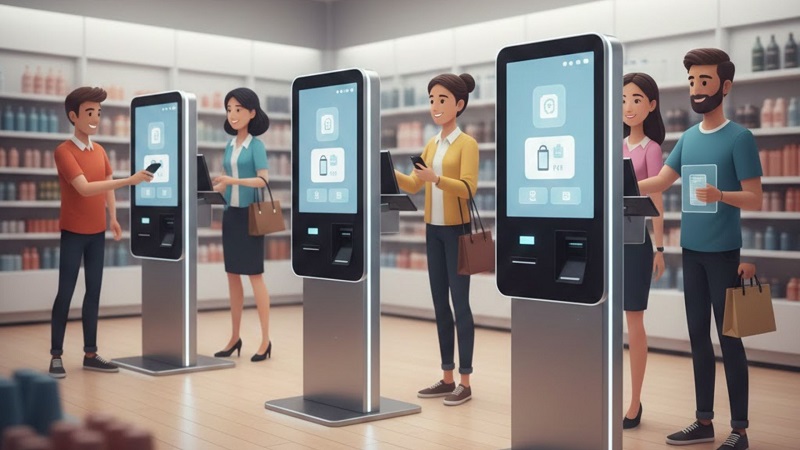
A New Shift in Modern Retail
Retail has changed quickly in recent years. Shops are under pressure to work faster, reduce queues, and give customers more control over how they shop. One of the most practical upgrades many retailers are now choosing is the introduction of self service kiosks. These machines are no longer seen as high-tech extras. Instead, they have become everyday tools that support smoother operations and better customer experiences.
The rise of digital shopping, mobile payments, and contactless technology has made customers more comfortable using automated tools. People want quick transactions and fewer delays. Retailers also want to reduce pressure on staff and avoid avoidable bottlenecks. As a result, self-service technology has grown across supermarkets, convenience stores, clothing shops, and even small independent businesses. The goal is simple: make the shopping process easier for everyone.
Recent studies show that many customers actually prefer self-service when buying simple or repeat items. It feels faster, more private, and less stressful. For retailers, this shift opens opportunities to redesign their stores, re-train staff for more valuable tasks, and improve overall productivity.
How Self-Service Kiosks Make Retail Smarter
Self-service kiosks work in a straightforward way. Customers scan their items, pay using card or mobile, and complete the process without waiting for a cashier. This removes unnecessary delays at peak hours and keeps people moving through the store.
One major benefit is speed. Modern kiosks are faster than older versions thanks to better scanners, clearer screens, and updated software. They process payments quickly and reduce the chance of errors. Staff no longer need to manage every small transaction, which frees them to help customers on the shop floor or handle more complex tasks.
Another key improvement is accuracy. Human error in scanning or pricing can slow things down. Kiosks use automated systems that link directly to a store’s database, reducing mistakes and ensuring prices are always up to date. They also support real-time stock tracking, helping retailers understand what is selling and what needs restocking.
These kiosks can also handle digital receipts, loyalty accounts, and promotional offers without extra steps. This helps shops modernise their approach and meet customer expectations in a tech-driven world.
New Technologies Driving Self-Service Growth
Recent technology has made self-service more efficient and more appealing. One major development is the use of larger touchscreen displays. These are easier to read, simpler to use, and accessible for people of different ages and abilities. They also guide customers through the process step by step, reducing confusion.
Advanced payment options are another strong advantage. Modern kiosks support contactless cards, mobile wallets, QR codes, and even biometric payments in some regions. This removes the need for cash and reduces time spent at the till.
AI is also starting to play a role. Some kiosks now include smart cameras that check whether the scanned item matches what was placed in the bagging area. This reduces loss and keeps the process smooth. Machine learning can also predict popular items and adjust the interface to speed up scanning.
Cloud-based software allows retailers to update prices, offers, and product information instantly across all kiosks. This saves time and avoids long manual updates. It also helps track performance, identify peak times, and plan staff schedules better.
With all these improvements, it’s clear that kiosks are no longer simple machines. They are becoming core parts of retail operations, supporting both customer experience and business efficiency.
Benefits for Retailers of All Sizes
Large retailers were among the first to use kiosks widely. However, smaller shops now see the benefits too. The cost of hardware has dropped, and many suppliers offer flexible monthly plans instead of large upfront payments. This makes self-service accessible for stores with limited budgets.
One major advantage is the ability to manage staff costs more effectively. Kiosks do not replace staff, but they support them. Employees can focus on customer support, managing stock, or handling special requests instead of scanning items all day. This improves the overall quality of service.
Shops can also use floor space more effectively. A row of kiosks usually takes up less space than multiple staffed tills. This allows retailers to redesign their layouts, add new products, or create more open and welcoming areas.
Customer satisfaction also improves. When shoppers feel in control of their experience, they are more likely to return. Faster checkout times reduce frustration and boost loyalty. In a world where customers have many choices, this can make a big difference.
Challenges and Simple Solutions
Although self-service technology offers many benefits, it does come with challenges. Not all customers feel confident using kiosks. To solve this, retailers often keep a staff member nearby to help people when needed. Clear signs and simple on-screen instructions also make the process easier.
Technical issues can occur, such as scanner problems or payment failures. Regular maintenance and strong customer support from the supplier can minimise these disruptions.
Security is another consideration. Shops must ensure the kiosks operate safely and protect customer data. Modern machines come with secure payment systems and encryption to reduce these risks.
With the right preparation, most challenges can be managed easily, and the benefits far outweigh the drawbacks.
Why Self-Service Is Becoming the New Standard
Self-service technology fits naturally into today’s retail environment. Customers expect speed, flexibility, and convenience. Retailers want better efficiency, lower costs, and updated systems. Self service kiosks meet all these needs without creating complexity.
As digital habits grow and technology improves, these kiosks will continue to expand into more sectors. From supermarkets to pharmacies, and from fashion retailers to local convenience stores, the trend is only moving in one direction.
Smart retailers see kiosks as a simple upgrade that helps them keep pace with modern expectations. They are an investment that brings long-term value through better operations, happier customers, and smoother day-to-day running.