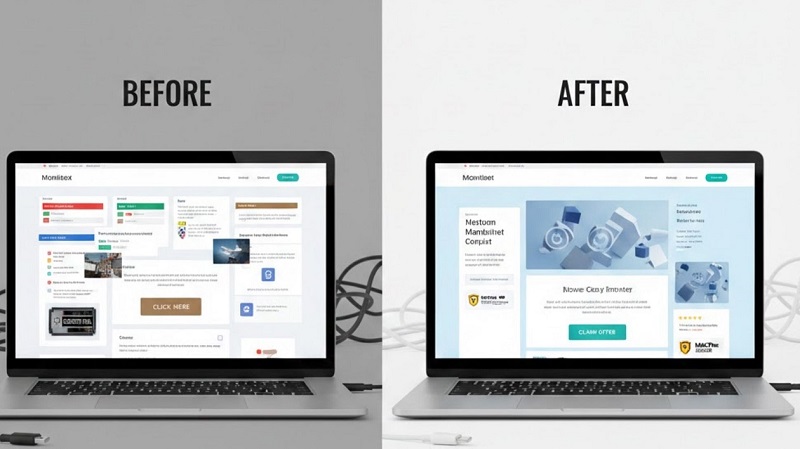
Smart design choices can change how a website feels within seconds. First impressions shape every click, especially when people expect smooth performance, clear options, and confidence before spending money.
Layouts, logos, speed, and details make a difference because they signal who runs the site and how seriously the work is done. When everything looks polished and runs smoothly, people stick around and return.
High-pressure industries show what design should look like
Some industries simply cannot afford weak designs. One of them is online gambling, which has moved almost fully digital. These platforms handle sensitive payments and real-time games, so there is zero room for confusion or error.
Players expect slick visuals, responsive design, and fast loading times because delays and glitches cost them rounds, bonuses, or spins. There’s heavy competition in the UK scene, and only a few names stand out clearly.
One of the strongest examples is MrQ, which hosts classic slots, bingo games, and live casino games. The layout is bright, polished, and uncluttered. New players who choose to play at MrQ receive a clear welcome, with standout promotions such as free spins on their first deposit. The mobile layout is seamless because games, offers, and support tools stack vertically with no friction.
The trust comes from the layout, colors, and clear steps that guide people through gameplay. It feels solid because nothing is left unfinished.
Color, font, and spacing change everything
Consistency in visual design makes any brand feel reliable. Fonts must look identical across pages, buttons, headers, and footers because mismatched styles confuse the eye. A clear font like Montserrat or Open Sans supports long reading without tiring the reader. Consistent sizing matters as well, so headers stand out, paragraphs stay readable, and CTAs catch attention.
Colors affect emotion, so picking two to three shades and using them throughout the site helps everything feel connected. A bright action color like green or purple works well when used for buttons, banners, or countdowns. It creates focus. Meanwhile, backgrounds should stay light or neutral so key sections pop clearly.
White space also helps everything feel easier. When elements breathe and content has room around it, the brain processes faster. Clean margins around boxes and text improve understanding. That’s why simpler layouts almost always perform better, because the brain loves patterns and clarity.
Fast-loading visuals keep people on the page
Even if a site looks great, a delay in loading makes it feel broken. A study from Google showed that bounce rates go up by 32% when page load time increases from 1 second to 3 seconds. On mobile, that gap matters even more.
To fix that, image sizes must be compressed without lowering quality. Using modern file types like WebP helps because they load quickly while still looking crisp. Content Delivery Networks (CDNs) also help, since they serve files from nearby locations. This cuts down the wait when people click on product pages or offers.
Lazy loading helps too. When a site delays loading parts of the page until a person scrolls to that section, it feels smoother and faster. Together, these tricks remove lag so every click leads somewhere fresh.
Badges, seals, and visual proof speak louder than words
One of the fastest ways to earn confidence is by placing known security icons, verification seals, or partnership logos where people are about to take action. For example, showing a Norton Secured badge or a McAfee Secure logo near the checkout helps lower drop-off rates.
Better Business Bureau accreditation or similar local signs show that the brand operates seriously. These don’t have to be large. In fact, they work better when they sit near key buttons or near form fields where card details go.
Social proof works in a similar way. A testimonial from a customer, a five-star rating, or a “Featured In” strip with press mentions helps reinforce confidence. These should appear just before a person commits to a next step, because that’s when reassurance hits hardest. It’s about making someone feel sure before clicking, subscribing, or paying.
Mobile design makes or breaks the journey
Mobile accounts for over 60% of global website traffic, so the layout needs to fit every screen. That means buttons need to be easy to tap, forms must scroll vertically, and game or product displays need to shrink without breaking.
Everything must respond instantly when someone touches a link, swipes a slider, or scrolls down. Sticky headers help too because they keep menus in place while someone browses. This cuts the effort needed to navigate.
Fonts on mobile screens must be large enough to read, but not too big that they take over. Photos and videos should shrink and center correctly, while any pop-ups need a clear X in the top corner. All of this reduces frustration, and the less frustration, the longer someone stays.
Clear actions and navigation keep people moving
A great design gives direction. That means CTA buttons must say exactly what happens next. “Sign Up Free,” “Start Game,” or “Claim Offer” works far better than vague options like “Learn More.” Language must be simple and direct, so no one feels confused.
Navigation bars must stay short. Dropdowns work well if they’re clean and collapse easily. The homepage should lead clearly to key sections like offers, products, or services. Breadcrumbs help show people where they are, especially if the site has many layers.
Even search bars make a difference. A fast, smart search bar keeps people in flow while they’re looking for something. Every second saved in the search process is a win.
Every detail sends a signal about the brand
Design is silent, but powerful. Fonts, colors, badges, buttons, and image speed all send signals before anything gets read. Brands that spend time perfecting those signals come across as reliable, structured, and serious about quality. These small design tweaks shape the entire journey.
Each change might seem minor, but together, they create a full picture. That picture tells people what to expect, how to feel, and whether to stay. In a crowded online space, design speaks louder than promises. Brands that understand that stay one step ahead.