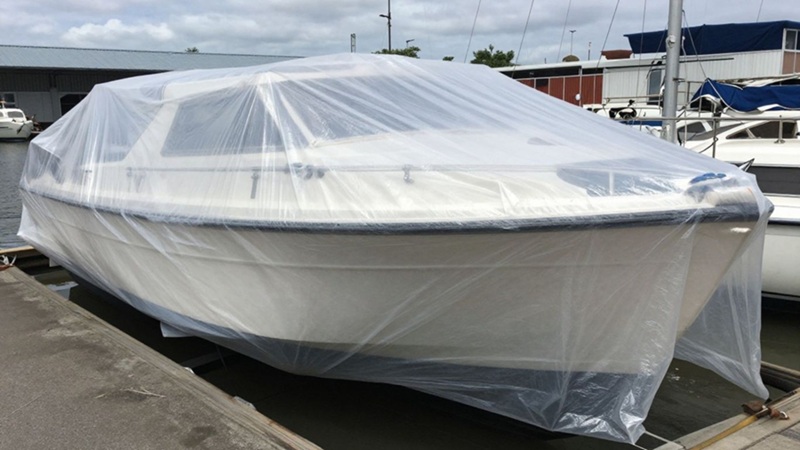
What is Shrink Wrapping?
Mobile shrink wrapping is a method that uses a heavy-duty plastic film to create a protective cover. This film is heated, causing it to shrink tightly around an object. Think of it like a second skin for your boat, equipment, or cargo. It’s not just a simple plastic sheet; it’s a specialized material designed to withstand tough conditions.
This process is done on-site, bringing the service directly to you. Whether it’s a boat in your driveway or construction materials at a job site, the shrink wrapping team comes to you. This mobile aspect makes it super convenient, saving you the trouble of transporting items to a wrapping facility. It’s a practical solution for many different needs.
The Benefits of a Custom Fit
One of the biggest advantages of mobile shrink wrapping is the custom fit. Unlike generic tarps, shrink wrap is molded to the exact shape of the item. This means no loose flaps or baggy areas where wind and water can get in. The film shrinks down tight, creating a barrier that’s hard to penetrate.
This snug fit is key to its protective qualities. It stops moisture from getting trapped, which can lead to mold and mildew. For boats, this means keeping the interior dry. For equipment, it means preventing rust. The custom fit is what makes mobile shrink wrapping so effective.
Shrink Mobile: A Superior Protective Solution
When you need top-notch protection, mobile shrink wrapping stands out. It’s more than just covering something up; it’s about creating a secure, weather-resistant shield. This method is used for everything from protecting valuable boats during storage to safeguarding oversized cargo during transport.
The durability of shrink wrap is impressive. It can handle high winds, heavy rain, and even UV rays from the sun. This makes it a reliable choice for long-term storage or long-distance travel. Choosing this service means you’re investing in the longevity and condition of your assets. It’s a smart move for anyone serious about protection.
Protecting Your Vessel with Shrink Mobile
Comprehensive Defense Against the Elements
When your boat isn’t in the water, it’s still exposed. Rain, snow, sun, and even dust can take a toll. Mobile shrink wrapping creates a tough, custom-fit shield. This wrap acts like a second skin, keeping harsh weather out. It stops water from pooling and damaging surfaces. Shrink Mobile provides a barrier that traditional tarps can’t match.
Preventing Moisture and Mold
Trapped moisture is a boat owner’s nightmare. It leads to mold, mildew, and corrosion. Shrink wrapping, when done right, seals out external water. It also allows for ventilation, which is key. Proper airflow prevents internal condensation. This keeps the boat’s interior dry and fresh. It’s a big step in keeping your vessel in top shape.
Deterring Pests and Theft
Little critters love to make boats their home. Shrink wrap seals up all the nooks and crannies. This makes it hard for rodents and insects to get in. It also makes the boat less appealing to thieves. A tightly wrapped boat is harder to access and tamper with. It adds a layer of security. This protection is a major plus for boat owners.
Preparing For Your Shrink Mobile Application
Getting ready for a shrink mobile application is a straightforward process, but doing it right makes a big difference. Think of it like prepping a canvas before painting; the better the surface, the better the final result. This preparation step is key to making sure the shrink wrap does its job effectively, keeping your boat, freight, or equipment safe.
Thorough Cleaning and Drying
First things first, give whatever you’re protecting a good scrub. Dirt, salt, grime – it all needs to go. Use a cleaner that’s appropriate for the material and a soft brush. Get into all the nooks and crannies. This isn’t just about making things look nice; it stops debris from getting trapped under the wrap, which could cause damage later. After cleaning, let everything dry completely. Trapped moisture is the enemy, and we want to avoid that under the shrink wrap.
Securing or Removing Loose Items
Next, take a look for anything that’s loose or could get in the way. Cushions, tarps, electronics, anything that isn’t permanently attached should be removed. Store these items somewhere safe. If there are things that can’t be removed, like antennas or railings, make sure they’re secured tightly. This prevents them from shifting around during the application or transport, which could tear the wrap or damage the item itself.
Inspecting and Repairing Damage
Before the shrink mobile team arrives, do a quick once-over for any existing damage. Small cracks, dents, or weak spots can become bigger problems if they’re covered up. If you find anything, it’s best to get it fixed before the shrink wrap goes on. This ensures the wrap has a solid surface to adhere to and provides the best possible protection. Proper preparation is the foundation of a successful shrink wrap job.
The Shrink Mobile Process Explained
Custom Cover Creation
Shrink wrapping isn’t just throwing a big plastic sheet over something. It’s about making a custom fit. Technicians start by assessing the item, whether it’s a boat, a piece of machinery, or a cargo load. They’ll pad any sharp edges or delicate parts that stick out. This step is key to preventing tears later on.
Think of it like tailoring a suit, but for your asset. The plastic film is laid over the object, and then secured using straps and bands. These act like anchors, holding the film in place before the heat is applied. This careful preparation is what makes the final shrink wrap so effective.
This custom cover creation is the first big step in the Shrink Mobile process. It ensures that every contour is accounted for, leaving no room for unwanted elements to get in or for the wrap to shift during transport. It’s a meticulous job that sets the stage for the next phase.
Securing the Film
Once the plastic film is draped over the item, it needs to be held firmly. This is where specialized strapping comes into play. Nylon straps are often used to go around the perimeter, cinching the film tight. For items like boats, a “belly band” might be used underneath the bow, similar to how a shower cap stays on.
This securing phase is vital. It prevents the film from flapping around loosely, which could cause damage or make the shrinking process uneven. The goal is to create a taut surface that’s ready for the final step. It’s about making sure the wrap stays put, no matter what.
Sometimes, for extra security, especially for long journeys or rough conditions, the perimeter of the wrap might even be taped directly to the item’s surface. This eliminates any potential air gaps and adds another layer of protection. It’s all about a secure fit.
The Shrinking Process with Heat
This is where the magic happens. After the film is secured, a technician uses a propane torch or a specialized heat gun. They carefully apply heat across the entire surface of the plastic film. As the heat is applied, the film begins to contract, tightening up like a drum.
This shrinking action pulls the wrap snugly against the item, conforming to every curve and angle. The result is a smooth, tight, and weatherproof seal. This is the core of what makes Shrink Mobile such a superior protective solution.
The heat application must be done with skill. Too much heat in one spot can damage the underlying item or the wrap itself. It’s a controlled process that transforms a loose sheet into a protective second skin. This final step is what truly locks in the protection.
Shrink Mobile for Freight and Construction
Safeguarding Oversized Cargo
When it comes to moving large items, standard protection often falls short. Mobile shrink wrapping offers a robust solution for oversized cargo. It creates a tight, custom-fit barrier that shields goods from the elements during transit. This method is particularly useful for items with irregular shapes or delicate surfaces that could be damaged by wind, rain, or road debris. The protective layer prevents scuffs, tears, and environmental exposure.
This specialized wrapping technique is more reliable than tarps, which can shift, tear, or allow moisture to seep in. Shrink Mobile ensures that even the most challenging loads arrive at their destination in the same condition they left. It’s a smart investment for valuable or sensitive freight.
Protecting Construction Equipment
Construction sites are tough environments, and transporting heavy equipment between locations presents unique challenges. Mobile shrink wrapping provides a durable shield for excavators, generators, and other machinery. It guards against dust, dirt, moisture, and potential damage from road travel. This keeps equipment in top working order, reducing the need for costly repairs and downtime.
Think about a piece of equipment that’s just been serviced or is brand new. You wouldn’t want it getting scratched or corroded on its way to the next job. Shrink Mobile wraps it up tight, like a protective cocoon. This is especially important for equipment that might sit idle for a while before its next use.
Ensuring Secure Transport
Beyond just weather protection, shrink wrapping adds a layer of security. It makes it harder for items to be tampered with or stolen during transit. The tight seal is difficult to breach without obvious signs of damage, acting as a visual deterrent. This is a significant advantage when transporting high-value goods or sensitive materials.
For businesses moving goods across the country, the integrity of their shipment is paramount. Mobile shrink wrapping provides peace of mind, knowing that the cargo is well-protected and secure. It’s a professional touch that shows care for the product being transported.
Ensuring Longevity and Safety
The Importance of Ventilation
Proper airflow is key to a good shrink wrap job. Without it, moisture can get trapped. This can lead to mold and mildew forming inside the wrap. Even the best shrink wrap can fail if it can’t breathe. Think of it like a sealed container; eventually, things inside can get damp and spoil. Mobile shrink wrapping services often include vents to prevent this. These vents allow air to circulate, keeping the interior dry and preventing corrosion. This is especially important for boats stored for long periods.
Safety Precautions During Application
When applying shrink wrap, safety comes first. Technicians use heat guns or torches to shrink the plastic. These tools get very hot. It’s important to wear protective gear like heat-resistant gloves and safety glasses. Always point the heat away from yourself and others. Keep flammable materials far away from the heat source. Following these steps helps avoid burns and accidents during the shrink wrap process. A secure application means a safer outcome.
Understanding Shrink Wrap Durability
Shrink wrap is built to last. Most films offer UV protection for up to 12 months. This means they won’t break down quickly from sun exposure. We’ve seen shrink wrap last even longer, but 12 months is a solid guarantee. The material is tough and can withstand harsh weather. It also deters pests and theft. For maximum durability, proper installation is a must. This includes using the right thickness of film for the job. Mobile shrink wrapping ensures a tight, secure fit that holds up well.
A Secure Wrap for Peace of Mind
So, when it comes to keeping boats, valuable freight, or even building materials safe from the weather and the bumps of travel, mobile shrink wrapping really steps up. It’s not just about throwing a big plastic sheet over something. It’s a custom fit, made tight with heat, that acts like a second skin. This means less worry about rain, sun, dust, or critters causing damage, whether your item is sitting in storage or on the move. For anyone needing a reliable way to protect their assets, this method offers a solid, dependable shield.