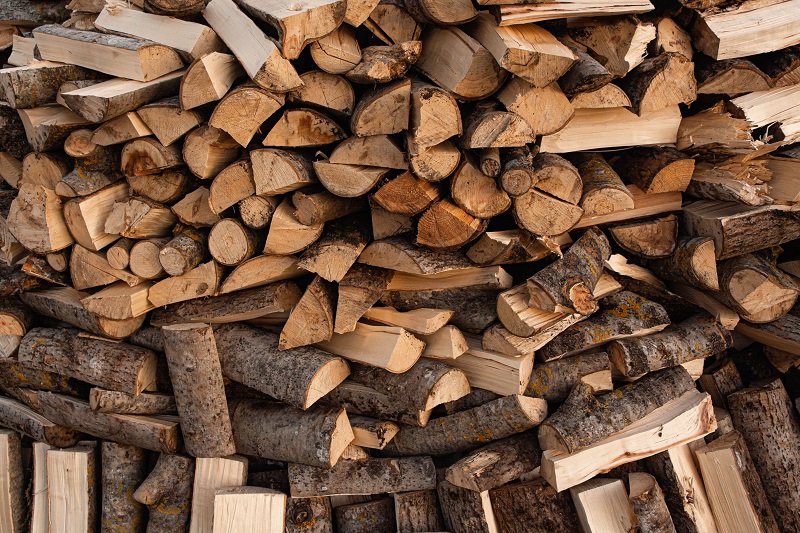
Britain’s love of the wood-burning stove has turned a traditional trade into a genuine digital opportunity. Selling wood fuel online lets you reach customers who once relied on the local farm shop or garden centre, and it opens up a market that stretches well beyond your postcode. Yet this is not a typical eCommerce venture. Wood is heavy, bulky, and seasonal, which changes almost everything about how you source, store, price, and deliver it. Before you build a website and list your first pallet, it pays to understand what makes this niche both promising and demanding.
Why Wood Fuel Suits eCommerce
Demand for firewood, fire logs, and wood briquettes is steady and predictable. Homeowners with log burners, open fires, or wood-fired ovens need reliable supply, and many would rather order from their sofa than lug bags from a shop. That convenience is exactly what online retail delivers.
The market also rewards specialists. Customers care about moisture content, heat output, and value for money, so a focused online supplier can build genuine authority. Unlike gadgets or fashion, wood fuel is a repeat purchase. Once someone trusts your quality and service, they tend to come back season after season.
What Makes Wood Fuel Different From Standard Products
Most eCommerce advice assumes small, light, easy-to-ship items. Wood fuel breaks every one of those assumptions. A single crate can weigh over a tonne, which affects packaging, courier choice, and your entire cost structure.
Quality is another difference. “Firewood” is not one product but many, varying by species, seasoning, and moisture level. Under the Ready to Burn scheme, wood sold in smaller volumes must meet moisture requirements, so accurate, honest descriptions are essential. Getting this wrong damages trust and invites complaints.
Sourcing and Product Quality
Your reputation rests on what you sell. Reliable sourcing means working with sawmills, forestry suppliers, or kiln operators who can deliver consistent stock through the year. Inconsistent supply during peak winter months is one of the fastest ways to lose customers.
A well-rounded range usually includes several categories:
- Kiln-dried logs – premium, low-moisture, ready to burn
- Seasoned firewood – air-dried and often more affordable
- Wood briquettes – compressed, high-density, and tidy to store
- Fire logs and kindling – convenient add-ons that lift order value
Building clear product categories around real demand helps customers choose quickly. Many successful shops expand their range gradually, adding lines such as briquettes or specialist hardwoods once they understand what buyers actually want. Some start by selling fire logs as their core product, then branch into kiln-dried hardwood, eco-briquettes, or kindling bundles as they learn their audience and grow their range.
Packaging, Storage, and Inventory
Wood fuel must stay dry to remain sellable. Damp storage ruins moisture content and heat output, so covered, ventilated space is non-negotiable. This is a real overhead, and it grows as your volume grows.
Packaging matters too. Nets, crates, and shrink-wrapped pallets each suit different order sizes and couriers. Good packaging protects the product in transit and signals professionalism the moment a customer opens their delivery. This is especially important for businesses selling fire logs, where presentation can set you apart from local competitors. Inventory management is trickier than in most sectors, because you must predict seasonal spikes and hold enough dry stock without tying up cash in slow summer months.
Delivery and Logistics for Heavy Products
Logistics is where many wood fuel businesses succeed or fail. Standard parcel networks rarely suit tonne-heavy pallets, so you will likely need pallet couriers or your own vehicles. Kerbside delivery, tail-lift access, and rural lanes all shape how you operate.
The UK’s mix of dense cities and remote countryside creates real challenges. Urban deliveries face parking and access issues, while rural drops may involve long distances and tricky terrain. Either way, delivery is expensive, and those costs must be built into your pricing rather than absorbed. Clear delivery information on your site — coverage areas, timescales, and access requirements — prevents disappointment and reduces support queries.
UK Seasonal Demand and Climate
This is a highly seasonal business. Cold snaps and damp autumn weather send demand soaring from roughly September through February, then it drops sharply in spring. Managing this rhythm is central to staying profitable.
Smart operators use quieter months to build dry stock, improve their websites, and run marketing that captures early buyers. Damp British weather also reinforces why moisture-controlled fuel sells well: customers want wood that lights easily and burns cleanly, whatever the conditions outside. Planning for the peak, rather than reacting to it, keeps you in stock when competitors run dry.
Pricing Strategy and Margins
Pricing wood fuel is more complex than it looks. Your price must cover the raw product, drying or kilning, storage, packaging, delivery, and marketing — before any profit. Because delivery is such a large cost, many suppliers set minimum order values or price by pallet to make each drop worthwhile.
Avoid competing on price alone. Quality, reliability, and service justify a fair margin, and customers buying heating fuel value trust over saving a few pounds. Be realistic: profitability depends on tight cost control, efficient logistics, and repeat custom, not on rapid volume at razor-thin margins.
Building an Effective eCommerce Website
Your website is your shop, so it must make ordering simple. Clear categories, honest product descriptions, moisture information, and transparent delivery details all help customers buy with confidence. If you are selling fire logs alongside briquettes or kindling, grouping related products intuitively makes a real difference to how easily customers find what they need. Secure online payment systems and a smooth checkout reduce abandoned baskets.
UK-based supplier Lektowood Fuels is a useful example of how a wood fuel business can present its range online, giving customers straightforward information to choose the right product. A clean, trustworthy site does much of the selling for you, especially for first-time buyers unsure which fuel suits their stove.
SEO, Marketing, and Customer Trust
Most buyers start with a search, so appearing for terms like “kiln-dried logs,” “wood briquettes near me,” or selling fire logs is valuable. Helpful content — guides on moisture content, stove care, or choosing the right wood — attracts visitors and builds authority. Local SEO matters greatly when delivery areas are limited.
Trust is your strongest asset. Genuine reviews, clear policies, responsive customer service, and consistent quality turn one-off buyers into loyal regulars. Because heating fuel is a recurring need, retention is often more profitable than constant new-customer acquisition. Reminder emails before winter, loyalty offers, and easy reordering all encourage those repeat purchases that keep a seasonal business steady.
Final Thoughts
Selling wood fuel online is a real opportunity, but not an easy one. Success depends on reliable sourcing, careful storage, smart logistics, honest pricing, and genuine customer trust. Treat those challenges as the core of your business rather than obstacles, and you can build a dependable online venture that keeps British homes warm year after year.