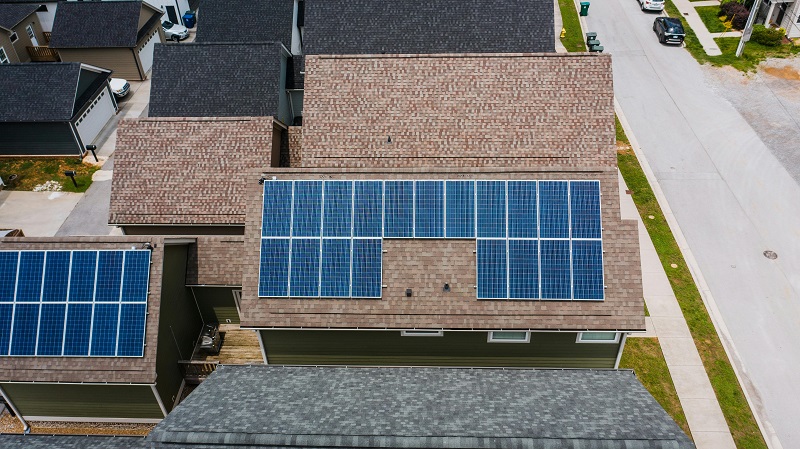
Commercial buildings run on time, flow, and consistency. That is why most business owners and decision makers think twice before starting any upgrade that might interrupt daily work. When it comes to installing solar panels for commercial buildings, the main concern is simple: how to adopt solar energy without slowing down operations.
You are not just adding a system on the roof. You are making a decision that should support your business. It should not create delays or add pressure to your building structure.
Glass solar panels and what they demand
Glass solar panels are widely used and often seen as the standard option. They are solid and familiar, especially in large open roof projects. But for commercial buildings, they usually come with added requirements that need careful planning.
In many cases, glass panels need support frames, mounting stands, and extra fixing systems. This adds more steps to the installation process. Along with that, they bring extra weight, which may not suit every commercial roof.
For some buildings, this means checking the structure before installation. It may also require adjustments to ensure the roof can carry the load. This can result in increased labor, longer time on site, and a higher risk of disrupting daily operations.
Flexible solar panels and a more practical path
Flexible solar panels offer a different way to install a solar panel for barn roof or other rooftops without putting pressure on the building.They are lighter, easier to handle, and can fit on different roof types without major changes.
They work well on metal roofs, curved surfaces, and even straight roofs where heavy systems are not preferred. Their structure allows them to sit closer to the roof without the need for large mounting systems.
This is especially useful when planning solar panels for new roofs. It also applies to buildings with recently installed metal roofs. In such cases, flexible solar panels make more sense because there is no need for extra stands or complex support. The system can be installed without requiring structural modifications.
Key points to consider before choosing
- Glass solar panels usually need mounting structures and added support, which can increase labor and time
- Their weight may require structural checks, especially for older or lighter commercial roofs
- Flexible solar panels are lighter and easier to install on different surfaces
- They can be used on metal roofs, curved roofs, and straight roofs without major adjustments
- Installation is often faster, which helps keep business operations running smoothly
- Labor costs can be more controlled due to a simpler setup
- Flexible panels reduce the need for heavy equipment and complex installation steps
Keeping your business running during installation
One of the biggest concerns for any commercial setup is disruption. No business wants ongoing work on the roof to affect employees, customers, or operations. This is where the choice of solar panels becomes very important.
Glass panel systems may take more time and planning, which can increase the chances of interruption. On the other hand, flexible solar panels are often easier to install with less effort on site. That means your business can continue working while the solar system is being set up.
For many companies, this balance matters more than anything else. They want energy savings, but not at the cost of daily performance.
Making the right decision for your building
There is no single answer that fits every commercial building. Some projects may still go with glass solar panels if the structure allows it and the plan supports it. But many decision makers now look for a simpler and more adaptable option.
If your building has a metal roof, a curved design, or weight limits, flexible solar panels often become the more suitable choice. They allow you to adopt solar energy without adding unnecessary load or complexity.
The goal is not just to install solar panels. The goal is to install them in a way that fits your building, your work, and your long-term plans.
FAQs
Can solar panels be installed without stopping business operations?
Many installations can be planned in a way that keeps operations running. Flexible solar panels, in particular, are often easier to install with less disruption on site.
Are flexible solar panels suitable for new metal roofs?
They are commonly considered a good option for new metal roofs because they do not require heavy support systems or additional structures.
What should a business check before choosing solar panels?
It helps to review roof strength, surface type, installation time, and how the project may affect daily operations. These factors often guide the right choice between glass and flexible systems.