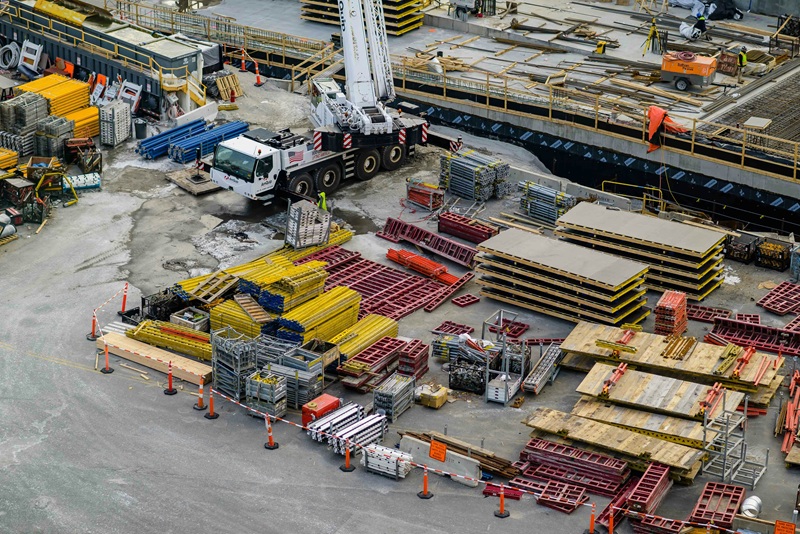
Every construction or renovation project begins with decisions that will shape the finished result for years, or decades, to come. The materials you specify affect far more than initial outlay, touching on everything from structural longevity and running costs to environmental responsibility and kerb appeal. Getting those decisions right from the outset is what separates a project that holds its value from one that demands constant attention.
Durability and long-term performance
In the UK, where rain, frost, and damp are persistent features of the climate, material durability is a practical concern. Structures built with weather-resistant, high-quality materials require less remedial work over time, reducing both disruption and long-term expenditure. According to the GOV.UK Construction Products Reform Green Paper, the UK government is overhauling its construction products regulatory framework to ensure materials meet higher standards of safety, quality, and performance, a recognition that material choices have consequences well beyond the build itself. Brick, concrete, and treated stone outperform cheaper alternatives in terms of resistance to weathering, structural integrity, and lifespan, making them sound investments regardless of project scale.
Sustainability and environmental impact
The environmental footprint of construction materials has moved from an ethical consideration to a regulatory one. The built environment accounts for approximately 25% of the UK’s annual greenhouse gas emissions, and the production of key materials contributes to that figure. The UK government’s Timber in Construction Roadmap underlines the growing regulatory push towards low-carbon, renewable, and sustainably sourced materials, noting that using timber instead of concrete can reduce embodied carbon in a building by between 20% and 60%. Besides timber, the broader policy direction encourages specifiers to consider recycled content, locally sourced materials, and whole-life carbon impact when making material choices, reflecting an industry-wide shift towards greener building practices.
Cost-effectiveness and value over time
The cheapest material at the point of purchase is rarely the most economical over a building’s lifetime. Lower-grade products tend to degrade faster, require more frequent maintenance, and may need full replacement well before their higher-quality counterparts. Making the sensible choice when it comes to items such as concrete paving slabs for outdoor spaces and hard landscaping is a clear example of this principle in practice, and their durability and resistance to freeze-thaw cycles make them a reliable long-term option that avoids the cost of repeated repair or replacement that cheaper alternatives often incur.
Aesthetic appeal and design impact
Besides performance, materials shape the visual identity of a building or space. The finish of a wall, the texture of a floor, or the colour of a cladding panel all contribute to how a property reads from the outside and feels from within. Well-chosen materials create coherence between structure and surroundings, and there is consistent evidence that quality finishes have a positive effect on property values. Thoughtful material selection at the design stage avoids the patchwork appearance that comes from remedial changes later and guarantees that the aesthetic result is as considered as the structural one.
Choosing building materials wisely is ultimately an act of foresight. The decisions made at the planning stage determine not just how a project looks on completion but how it performs, costs, and holds up for years to come.