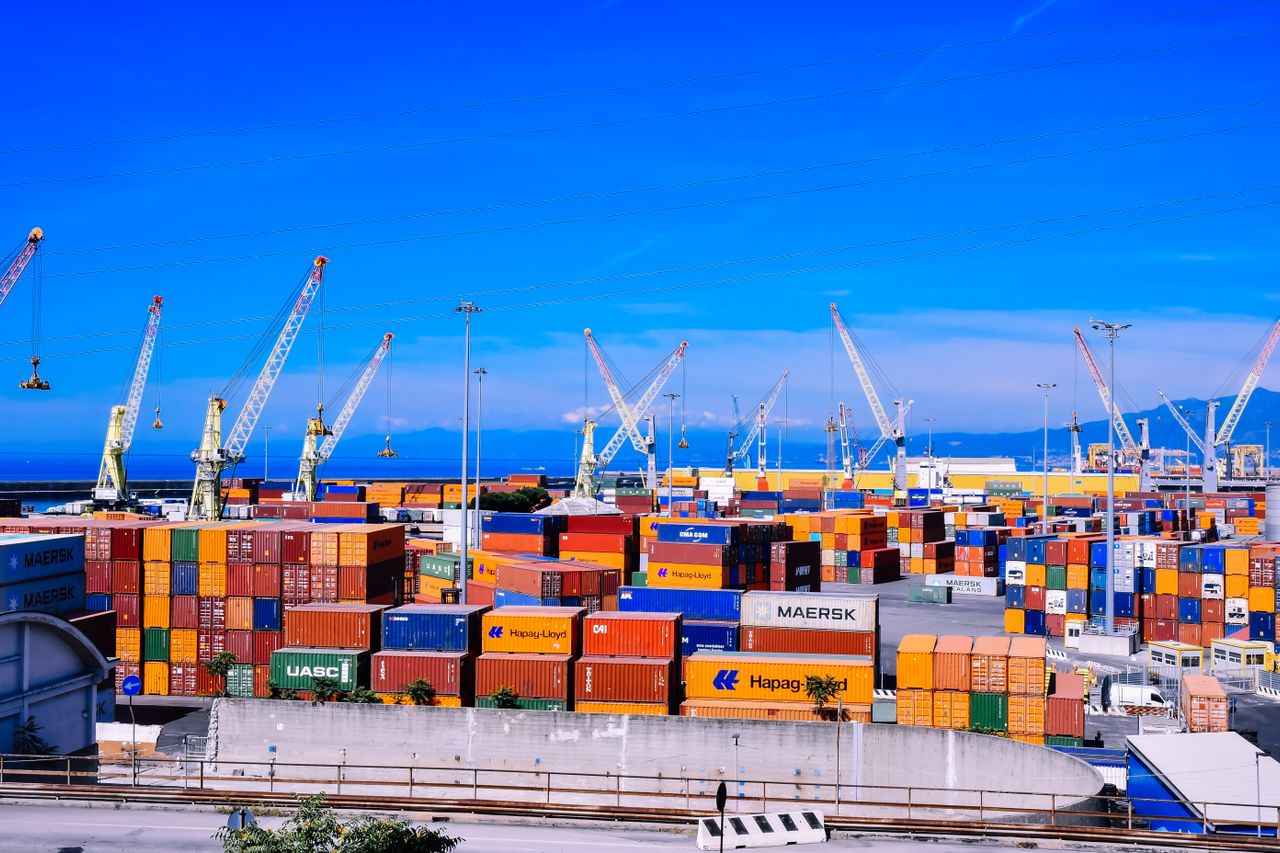
In 2026, the logistics industry has become one of the primary pillars of the global economy. The ever-growing demand for international trade has grown logistics into something far beyond the simple moving of boxes, into a specialised ecosystem, running on a complex combination of data, transportation and strategic planning techniques. Anyone who wants to offer industrial logistical services of any kind should understand how the various limbs of the sector operate, as this will enhance communication and decision-making ability.
This article will offer insights into the most significant branches of the logistics and supply chain industry, covering everything from loading bay solutions to proper packaging approaches.
Transportation provides the muscle to logistics
Both the in-person and the eCommerce logistics industries are nothing without strong, reliable systems of transportation. The movement of goods from point A to point B is the name of the game, with the modes of transport taking several forms.
- Air freight is the highest speed and highest cost option, essential for perishables and fast-paced emergency parts.
- Ocean freight is the backbone of global trade, handling the highest volume of goods, but in the slowest fashion.
- Rail freight is the middle ground for the transportation of bulk goods, such as minerals or grains, over long, landlocked distances.
- Road freight is powered by vans, lorries, trucks and trailers, and is vital for last mile deliveries.
Understanding each of these limbs of freight will help you in terms of effective timing and expectation setting. Freight forwarding is also a significant element of a proper freight branch, with third and fourth-party facilitators and customs brokerage, managing distribution and international legalities/compliance.
Software, AI and IoT trackers are also used to keep track of goods when they’re on the move, as well as optimise routes for maximum efficiency.
Warehousing, storage and inventory management
It’s not just about the final destination of goods. The logistics industry requires plenty of warehouse space, so transportation has some time to breathe between loads. The millions of square feet of warehouse space in the UK can be purpose built for a few different reasons.
- Fulfillment centres are specialised warehouses designed for picking and packing eCommerce orders.
- Cold chain logistics sites are temperature-controlled warehouses, generally used in the food and pharmaceutical industries.
- Distribution centres are high-velocity hubs where goods are received, sorted and sent back out to consumers.
You should know the purpose and construction of any warehouse you work with to ensure your goods are handled properly. It’s also worth noting that all of these warehouses should be powered by quality inventory management systems that forecast demand, track stock levels and balance efficiency measures.
It’s also important to note that warehouses should have dedicated returns management systems in place, ensuring returned items can be inspected and restocked, if not remanufactured or recycled.
Packaging and unitisation offer skin to the logistics industry
Products need to be properly protected and easy to handle during the journey. There must be some sort of primary packaging for the consumer, which is then contained within a cardboard crate for multiple pieces. Standardising goods onto pallets is essential for movement via forklifts and automated robots.
It’s worth noting that global sustainability trends are also driving packaging in the direction of zero-waste solutions, as well as less use of single-use plastic.
Understanding every branch of the logistics industry
From functional loading bays to the many different forms of freight, it’s essential to understand how different logistics industry companies operate and why. Taking the lay of the land accurately is the best way to ensure consistent working relationships with as many stakeholders as possible. An empathetic, comprehensive approach will guide the best possible decision making.