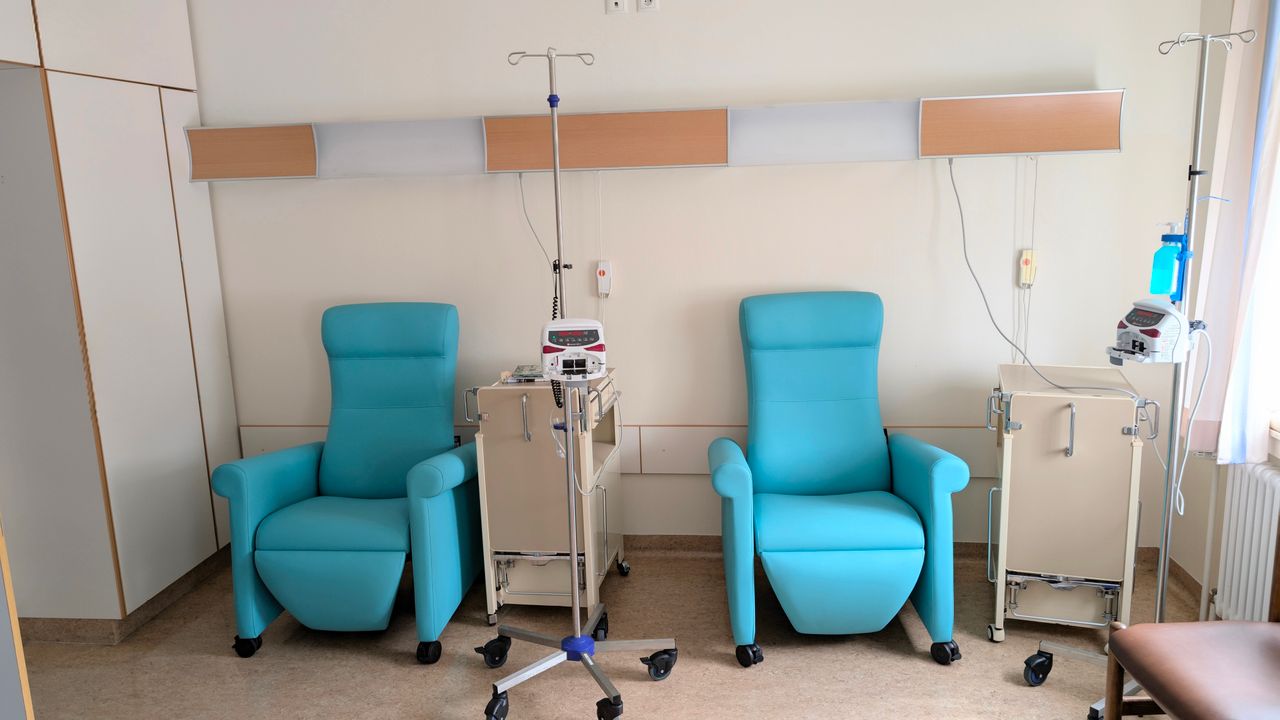
It’s easy to overlook chairs in your hospital’s budget until that chair becomes faulty, impossible to clean or unsuitable for those using it.
There are many types of chairs you will find within mental health facilities. Whether it’s a chair on a busy ward, a quieter environment or even a therapy room, you need to consider how these chairs will be used on a day to day basis.
It’s important to think beyond the cost of the chair when creating a management plan for your facility. Make sure your plan will provide quality chairs for every room, purchasing guidelines and what to expect once they arrive.
Topics covered:
- How To Include Chairs In Your Business Plan
- Chair Specification Per Room
- Costing For Life Expectancy
- Hygiene And Checks
- Allowing Clinical Team Members To Purchase
- Repairing / Replacing Chairs
- Final Thoughts
How To Include Chairs In Your Business Plan
Like all hospital furniture, chairs take up space, money and time in your budget. If you choose the wrong chairs, you will spend more time keeping them clean, repairing and having to pull them from circulation.
All these factors will impact your day to day running of a ward.
Begin with a business plan that includes your chair specification per room. Who will be using the room, how closely is it supervised, are there any considerations for those who may require assistance to sit or stand, and can staff and patients walk around easily?
These are all questions you want answered before requesting a quotation for your chair.
Chair Specification Per Room
There is no one size fits all when it comes to chair specification for mental health. You will want to consider the chair you would place in a reception, lounge and maybe a high risk ward.
Each of these may have a different requirement for your chair specification. If you’re looking at some examples, you can learn more here. Once you have chosen your chair ensure it meets your facilities requirements.
Some chairs may be classed as anti-ligature, but that doesn’t always mean they are suitable for your room. NHS England states that when designing a low/medium secure facility for children and young people, you should assess the appropriate ligature safety level alongside therapeutic needs and have an approval process for furniture in place. There may be other rooms in your facility that require further specification; please consult with your local trust on how they approach this.
Some points to consider when specifying your chair are:
- Build: Are there any points on the chair that could be removed, broken or adjusted?
- Comfort: Will your patients be comfortable sitting on the chair? Height, back support and arm design all play a role.
- Accessibility: Does your chair allow those with different levels of mobility to sit comfortably?
- Spacing: Can you get around the chair with ease?
Always consult with your clinical team members and estate teams on the risk assessment for your chair, follow your local approval process.
Costing For Life Expectancy
You may find the cheapest chair to purchase is the most expensive to maintain.
Repair, time spent cleaning, parts, delivery and replacement of your chair should be considered. You may find the upholstery fails, and you have to source new material or a specific part takes longer to arrive than you anticipated.
Create a whole life costing spreadsheet to help you compare different options. Ask your supplier what their recommended cleaning regime is, how you can repair your chair and if there are any limitations to this. Don’t assume your chair is repairable, have this confirmed to you.
Always have a small contingency fund for chair replacement in your budget. If you need to pull a chair from circulation, you don’t want to be left without one or having to buy an expensive chair to replace it.
Have spare chairs available, but speak to your clinical and estates team to see what they think is appropriate. You don’t want too many spare chairs, but if you don’t have enough, you will find yourself short.
Hygiene And Checks
Once you have specified your chair, you need to make sure it stays clean and in circulation.
The NHS has created national standards for cleaning that apply to all NHS settings. These can help you decide what to clean, how often and what products to use.
Depending on your chair specification, you may find it easier to clean. Just remember to check underneath cushions, gaps and creases in upholstery. Some upholstery may claim to be antimicrobial but this won’t stop you from having to clean your chair.
Ensure you have checks in place to identify if your chair is damaged or needs to be replaced. You can do this by completing the following:
- Check upholstery for any gaps, dirt or tears.
- Check for any loose parts, movement or signs of damage.
- Log any issues and remove the chair from circulation as per your local policy.
- Arrange to repair or replace chairs; once done, make sure it is suitable to be placed back into circulation.
Create a log that is easy to understand, so staff can use it regularly.
Involving Clinical Team Members in Purchasing
Your procurement team will know your budget, but your clinical staff will know what issues arise when a chair is on the ward.
Allow your staff to get involved in your chair purchasing process, they may be able to tell you which chairs they find difficult to move or clean. You can also gather information from your patients, depending on your trust policy and how they communicate with you.
Create a way for them to decide, you can allow them to pick criteria such as, risk assessment, comfort, cleanable, ability to repair and overall cost. Once you have these allow your team to choose from these factors.
Try to allow a sample of chairs to be tried, make sure you document this and check your product and installation before using throughout your facility. A controlled trial may reveal practical problems before chairs are used more widely.
Repairing / Replacing Chairs
As mentioned earlier, always keep a record of your assets. Know where they are, when they were purchased, current status and any repairs that have been made.
This can allow you to see if you have had a common fault with your chairs, if you have bought a certain type of fabric that isn’t suitable or if you have moved a chair to a room that hasn’t been assessed for it.
Use this information when purchasing your next set of chairs, you can improve on what you have currently. Always have a date on which you review your chairs; allow facilities, clinical and finance to get involved.
Final Thoughts
Ensuring you buy chairs that will benefit your facility and patients is key. By allowing your business plan to guide you, assessing your rooms, and ensuring your chair can be cleaned, repaired and kept in circulation, you can manage your budget better.