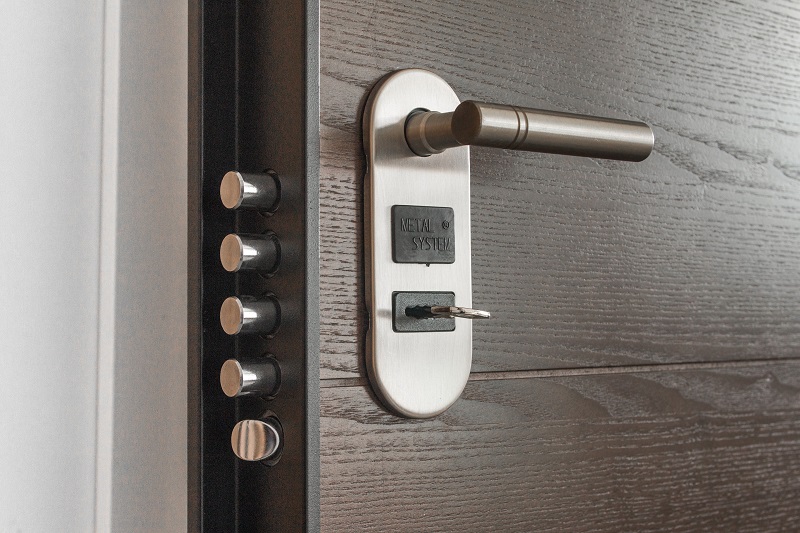
Office locks work harder than most home locks. Staff, cleaners, deliveries, contractors and visitors can operate the same doors dozens or hundreds of times a day. A lock that is acceptable on a spare bedroom door may be completely unsuitable for a busy office entrance, store room or shared corridor. That is why heavy-duty commercial hardware matters.
The phrase “Grade 1 commercial lock” is often used online to describe high-durability locks, especially in American ANSI/BHMA terminology. In the UK, businesses should also consider relevant British and European standards, fire exit requirements, door type, insurance wording and access control compatibility. According to the experts at LocksmithLocal, the practical message is simple: choose commercial-grade hardware that is tested, durable and suitable for the door.
Why office doors need stronger locks
Office doors face high use. The main entrance may be opened all day. Internal doors may be used by staff carrying laptops, stock or paperwork. Meeting rooms, server cupboards and storage areas may need controlled access. Shared buildings add another layer because multiple businesses may use communal entrances.
Residential-grade hardware can wear quickly in this environment. Symptoms include loose handles, latch failure, keys sticking, cylinders wearing, closers slamming and doors that no longer latch reliably. Once people start propping doors open or leaving them unlocked because the hardware is annoying, security has already failed.
What “Grade 1” should signal
In plain English, Grade 1 should signal high durability and strength. It is not a magic phrase that overrides local requirements. If a supplier uses the term, ask what standard the product has been tested to, what door type it suits, how many cycles it is rated for and whether it is appropriate for your building.
For UK offices, look at the whole specification: lock case, cylinder, handle set, closer, hinges, escape hardware, access control device and frame. A strong latch with weak handles is not enough. A tough lock on a poorly fitted door will still fail.
External doors versus internal doors
External office doors need resistance to forced entry, weather, frequent use and sometimes public access. They may use high-security cylinders, mortice locks, electronic access control, magnetic locks, electric strikes or panic hardware. Internal doors vary. A stationery cupboard does not need the same hardware as a server room. A meeting room may need privacy but not high security. A records room may need restricted access.
Specify by risk. Over-securing every door wastes money and creates inconvenience. Under-securing sensitive doors creates exposure.
Durability reduces disruption
A failed office lock is not just a maintenance issue. It can delay staff, expose stock, stop trading, affect appointments or create a fire safety concern if an exit door is involved. Heavy-duty hardware costs more upfront but can reduce callouts, downtime and emergency repairs.
This is especially true for doors with door closers. A closer that slams or fails to latch puts extra strain on the lock. The lock and closer should be adjusted together.
Access control compatibility
Many offices now use fobs, cards, keypads or mobile credentials. The physical lock still matters. Electric strikes, magnetic locks and electronic cylinders must be matched to the door, traffic level and escape route. A commercial lock upgrade should consider whether the business may add access control later.
If access control is already present, replacing a mechanical lock without checking the electronic system can create problems. The door must still release correctly, latch securely and allow safe exit.
Fire and escape considerations
Some office doors are part of escape routes or fire compartmentation. Hardware must not compromise safe evacuation or fire door performance. Staff-only emergency exits may need emergency exit hardware; public or unfamiliar-user areas may need panic hardware. Fire doors need compatible latches, closers and ironmongery.
Do not fit extra deadlocks or bolts to an escape door because theft is a concern. Solve the security issue with suitable compliant hardware.
Key control and cylinders
Heavy-duty locks should be paired with sensible key control. Standard keys can be copied freely. Restricted key systems can prevent unauthorised duplication and support access levels. Master key systems can reduce key bunches but must be designed carefully so one lost high-level key does not compromise too much.
For offices with staff turnover, key control may matter as much as lock strength. When employees leave, you need a plan for returned keys, missing keys and rekeying.
Signs your office locks need upgrading
Look for:
- Loose handles or cylinders
- Doors that need slamming to latch
- Keys that stick or require jiggling
- Staff propping doors open
- Shared keys with no register
- Basic locks on stock, server or records rooms
- Damaged panic or emergency exit hardware
- Locks that do not match insurance or lease requirements
- Frequent callouts for the same door
These signs suggest the hardware is not keeping up with the building’s use.
Do not ignore the frame and hinges
A commercial lock is only as good as the door set. Hinges, frame, keep, strike plate and closer all affect security. If the door has dropped, the latch may not enter the keep properly. If the frame is weak, a strong lock may still be forced. If the closer is badly adjusted, the door may not secure after someone passes through.
A locksmith should inspect the door in operation, not just quote for a lock from a photo.
Cost and value
Heavy-duty locks cost more than basic hardware, but the value comes from durability, security and reduced disruption. Budget by door priority. Main entrance, stockroom, server room, records room, cash office and rear exit usually deserve higher attention than low-risk internal rooms.
Ask for a specification that explains why each lock has been chosen. “Commercial grade” should be backed by suitability and testing, not just a higher price.
The practical answer
Your office needs heavy-duty commercial locks where doors carry high traffic, protect sensitive assets or form part of critical access. In the UK, interpret “Grade 1” as a prompt to ask for tested, durable, properly specified hardware rather than a standalone guarantee.