Understanding Freight Dimensioner Functionality
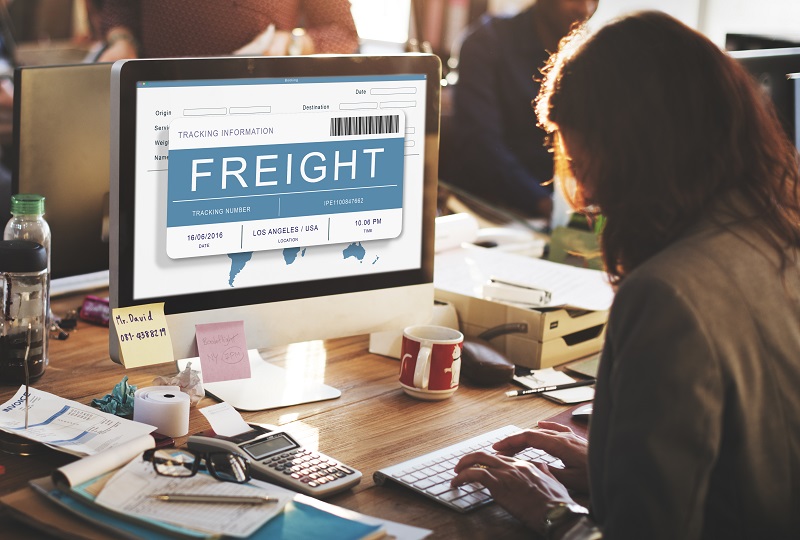
In today’s fast-paced shipping world, getting the details right from the start is key. This is where freight dimensioners come into play. These devices are built to automatically measure the size and volume of shipments. They work by using advanced technology, like computer vision, to scan packages, pallets, and even oddly shaped items. The goal is simple: capture precise measurements quickly and without human error. This accurate data is the foundation for everything that follows in the logistics chain.
Think of it like this: before, people had to manually measure every box or pallet. This took time and was prone to mistakes. A small error, like an inch off on length, could lead to big problems later. A freight dimensioner takes that guesswork out. It provides exact dimensions and often weight, giving a clear picture of each shipment. This immediate, reliable data is what modern logistics operations depend on to function smoothly and efficiently.
The accuracy provided by a dimensioner is not just a nice-to-have; it’s a necessity. It directly impacts billing, space planning, and overall operational costs. Without this precise information, businesses are essentially flying blind, risking financial losses and operational bottlenecks. The technology behind a freight dimensioner is designed to eliminate these risks by providing a single source of truth for shipment data.
Automating Measurement for Efficiency
Manual measurement is slow. It holds up the entire shipping process. A freight dimensioner automates this task, making things move much faster. It can measure a shipment in just a couple of seconds. This speed is a game-changer, especially for businesses that handle a lot of packages every day. Less time spent measuring means more time for other important tasks, like loading trucks or processing orders.
This automation doesn’t just speed things up; it also makes the process more consistent. Every shipment gets measured the same way, every time. This consistency is vital for accurate record-keeping and for building trust with shipping partners. When you have automated systems in place, you reduce the chances of human error creeping in, which can cause all sorts of headaches down the line.
The shift from manual to automated measurement with a dimensioner is about more than just saving time. It’s about creating a more reliable, predictable, and cost-effective shipping operation. This efficiency gain ripples through the entire supply chain.
Ensuring Accurate Billing and Space Utilization
Accurate dimensions are directly tied to accurate billing. Carriers charge based on the size and weight of shipments, and if those numbers are wrong, your bills will be wrong too. A dimensioner provides the exact measurements needed to ensure you’re billed correctly. This helps avoid costly disputes and unexpected charges. It means you pay for what you actually ship, no more, no less.
Beyond billing, precise measurements are also key for using space efficiently. Knowing the exact dimensions of your freight allows for better planning of how items fit into trucks or warehouses. This optimal space utilization can lead to fewer shipments, reduced transportation costs, and better inventory management. It’s about making the most of the space you have available.
The ability of a freight dimensioner to capture precise data is what makes it so valuable. It supports both financial accuracy and operational efficiency, two critical components of successful logistics. This dual benefit makes investing in such technology a smart move for many businesses. The data captured by a dimensioner is the first step in many critical processes.
Achieving Data Accuracy with Reliable Dimensioners

The Impact of Inaccurate Freight Data
When freight data isn’t right, it causes a cascade of problems. A small error in measuring a shipment’s dimensions, even just an inch off, can lead to a completely wrong freight class. This means higher shipping costs and unexpected fees. It’s like trying to fit a square peg in a round hole – it just doesn’t work and ends up costing you.
Manual measurements are prone to human error. Things like inconsistent measuring techniques or simple mistakes can happen easily. This leads to discrepancies between what you report and what carriers measure. These differences often result in billing disputes, reclassifications, and a lot of back-and-forth communication that eats up valuable time.
Ultimately, inaccurate freight data hurts your bottom line. It leads to overpaying for shipping, damages relationships with carriers due to disputes, and makes it hard to plan your logistics budget effectively. Getting this data right from the start is key to smooth operations.
How Dimensioners Mitigate Measurement Errors
Freight dimensioners are designed to take the guesswork out of measuring shipments. These systems use technology to capture the exact length, width, and height of freight quickly and consistently. This automation significantly reduces the chances of human error that plague manual measurement methods. A reliable dimensioner provides precise data every single time.
These devices can handle all sorts of freight, from standard boxes to irregularly shaped items. They capture the necessary dimensions accurately, which is vital for calculating density. This accurate density calculation is now a major factor in freight classification, especially with evolving industry standards. A good dimensioner ensures your reported data matches reality.
By automating the measurement process, dimensioners not only improve accuracy but also speed things up. This means less time spent at the dock and faster processing of shipments. The consistent, reliable data they provide helps prevent disputes and ensures fair billing.
The Cost of Discrepancies and Disputes
Billing disputes are a major headache in the shipping world. When there’s a mismatch between the dimensions reported by the shipper and those recorded by the carrier, it often leads to reclassification. This means you get hit with unexpected charges, sometimes weeks after the shipment has been delivered. It’s a frustrating and costly experience.
These discrepancies can also damage your relationship with carriers. Frequent disputes erode trust and can make negotiations more difficult. Carriers might become less flexible on rates or accessorial charges if they feel they’re constantly dealing with inaccurate information. This impacts your ability to secure favorable terms.
Beyond the direct costs of reclassification and potential rate increases, there’s the hidden cost of time. Your team spends hours investigating disputes, gathering evidence, and communicating with carriers. This diverts resources from more productive tasks and slows down your overall operations. Investing in a dimensioner helps avoid these financial and operational drains.
Key Features to Consider in Freight Dimensioners
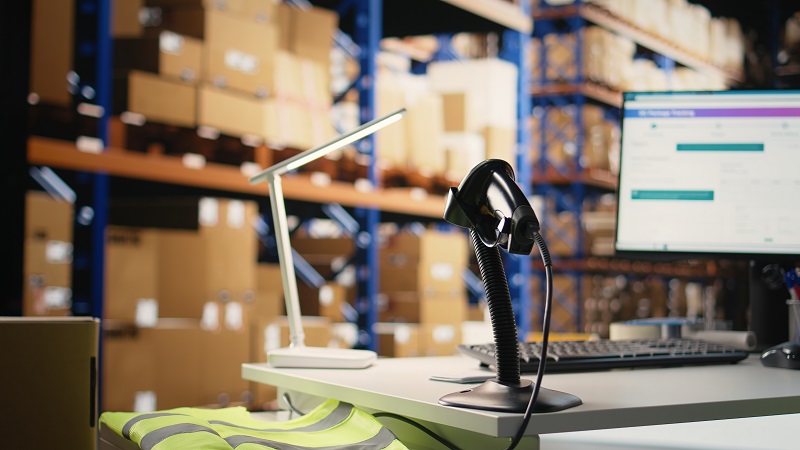
When looking at freight dimensioners, it’s easy to get lost in all the technical specs. But really, it boils down to a few main things that make a big difference in your day-to-day operations. You want something that just works, and works well, without a lot of fuss.
Prioritizing Accuracy and Speed
This is probably the most important part. If the measurements aren’t right, nothing else matters. A good freight dimensioner needs to be spot-on every time. We’re talking about getting dimensions down to the millimeter, and doing it fast. Think about how many packages or pallets go through your facility daily. If each one takes a minute to measure manually, that adds up. A system that can capture dimensions in under two seconds per item is a game-changer. This speed means less waiting around at the dock and more freight moving out the door. Accuracy and speed go hand-in-hand for efficient logistics.
System Integration and User-Friendliness
Nobody wants a complicated piece of equipment that requires a degree to operate. The best freight dimensioners are intuitive. Your team should be able to use them with minimal training. Think about how easily it connects with your existing systems, like your Warehouse Management System (WMS) or Transportation Management System (TMS). Data needs to flow smoothly from the dimensioner to your other software. This avoids manual data entry, which is a common source of errors. A user-friendly interface means fewer mistakes and less downtime.
Compliance and Durability
For billing purposes, especially with carriers, you need measurements that are legally recognized. Look for systems that meet standards like NTEP certification, meaning they are legal-for-trade. This avoids disputes down the line. Beyond compliance, the equipment needs to hold up. Shipping environments can be tough. You want a durable freight dimensioner that can withstand the daily grind without breaking down. Consider the materials it’s made from and its overall build quality. A robust system means fewer repairs and a longer lifespan, making it a sound investment.
Leveraging Dimensioners for Regulatory Compliance
Adhering to Shipping Regulations
Shipping regulations are complex and constantly changing. Staying compliant means keeping up with rules like the National Motor Freight Classification (NMFC) updates. These rules often dictate how freight is classified based on its density and other factors. A reliable dimensioner provides the precise measurements needed to meet these requirements. Without accurate data, shippers risk falling out of compliance, leading to potential issues down the line. The NMFC, for example, uses density to determine freight class, which directly impacts shipping costs. A dimensioner automates this calculation, making it easier to adhere to the current standards.
Avoiding Penalties and Disputes
When freight data is off, so are the bills. Inaccurate dimensions can lead to unexpected reclassifications, chargebacks, and lengthy disputes with carriers. This wastes time and money. A dimensioner captures exact measurements, often with photographic evidence, which can be used to settle any disagreements quickly. This helps avoid penalties for non-compliance and reduces the friction that comes with billing errors. It’s about getting it right the first time, every time, with your freight data.
Ensuring Legal-for-Trade Measurements
For many shipping operations, measurements need to be legally defensible. This is where certifications like NTEP (National Type Evaluation Program) come into play. Equipment that is NTEP-certified ensures that measurements are accurate and reliable enough for trade. Using a dimensioner that meets these standards provides an extra layer of confidence. It means the data captured is not just for internal use but is also recognized as accurate for all official purposes, including billing and regulatory checks. This level of accuracy is key for maintaining trust and avoiding costly audits or legal challenges related to shipment data.
The Financial Benefits of Investing in Dimensioners
Reducing Billing Disputes and Reclassifications
Billing disputes are a real headache. A carrier might claim your shipment was larger than you reported, leading to unexpected charges and a lot of back-and-forth. This is where a freight dimensioner really shines. By automatically capturing precise dimensions and often taking photos, these systems create an undeniable record. This accuracy drastically cuts down on disagreements about shipment size, meaning fewer reclassifications and the associated fees. The result is a significant reduction in lost revenue and administrative overhead.
Manual measurements are prone to human error. A slight miscalculation, a forgotten protrusion, or even just a bad day can lead to incorrect data. When this data is used for billing, it can trigger audits and disputes. A reliable dimensioner eliminates this guesswork. It provides objective, repeatable measurements every single time. This consistency builds trust with carriers and reduces the time spent resolving discrepancies. It’s about getting the billing right the first time, every time.
Think about the cost of a single billing dispute. It’s not just the reclassification fee; it’s the man-hours spent investigating, arguing, and correcting records. Multiply that by the number of shipments you handle, and the costs add up fast. Investing in a dimensioner is a proactive way to prevent these financial leaks. It’s a tool that pays for itself by stopping money from walking out the door due to simple measurement errors.
Improving Rate Negotiation and Financial Projections
Accurate shipment data is the bedrock of smart rate negotiation. When you can provide carriers with exact dimensions and weights for your typical shipments, you’re in a much stronger position. You can demonstrate the true volume and density of your freight, allowing for more competitive pricing. A freight dimensioner provides this reliable data, moving you from guesswork to informed negotiation. This means better rates and improved profit margins on your shipping costs.
Beyond negotiation, precise data from a dimensioner improves financial forecasting. Knowing the exact dimensions and weights of your shipments allows for more accurate budgeting and cost allocation. You can better predict shipping expenses, identify trends, and make more informed decisions about your supply chain. This level of financial clarity is hard to achieve with inconsistent or estimated data.
Ultimately, having a clear picture of your shipping costs, backed by hard data from a dimensioner, helps you manage your business more effectively. It allows for better planning, more accurate quoting to your own customers, and a more stable financial outlook. It’s about turning shipping data from a source of uncertainty into a tool for financial advantage.
Calculating Density for Accurate Freight Classification
Freight classification, especially under systems like the NMFC (National Motor Freight Classification), often hinges on density. Density is calculated using both the weight and the dimensions of a shipment. If your dimensions are off, your calculated density will be wrong, leading to an incorrect freight class. This can result in paying more than you should for shipping.
A freight dimensioner automates the process of capturing accurate dimensions. When paired with accurate weight data, it can instantly calculate the density of any shipment. This means your freight is classified correctly from the start. You avoid the penalties and higher costs associated with misclassification. It’s a direct path to compliance and cost savings.
Consider the complexity of modern freight classification rules. They are constantly evolving, and manual calculations are a recipe for errors. A dimensioner takes the complexity out of density calculation and freight classification. It provides the precise data needed to ensure your shipments are classified accurately, saving you money and preventing disputes with carriers. This accurate calculation is a core function that makes a dimensioner a smart investment.
Integrating Dimensioners into Your Shipping Workflow
Automating the Dimensioning and Weighing Process
Manual measurement is slow and prone to mistakes. A modern dimensioner takes over this task. It captures size and weight data automatically. This means less time spent on each shipment.
The system scans packages, pallets, and even odd shapes in seconds. This rapid data capture speeds up the entire shipping process. It removes guesswork and human error from the equation.
This automation is key for businesses handling many shipments daily. It frees up staff for other important tasks.
Connecting with Transportation Management Systems (TMS)
Getting accurate data is one thing; getting it where it needs to go is another. Dimensioners that connect to your TMS are a game-changer. They send measurement data directly into your system.
This direct link means no more manual data entry. It stops errors before they start. Your TMS gets real-time information.
This integration makes load building and quoting much faster. It keeps your operations running smoothly.
Streamlining Data Flow for Faster Operations
When dimensioners talk to your TMS, everything moves quicker. Data flows without interruption. This speeds up everything from order entry to final shipment.
Think about it: no more waiting for measurements. No more re-keying numbers. Just instant, accurate data.
This streamlined flow helps you process more shipments. It cuts down on delays and improves overall efficiency. A good dimensioner is an investment in speed.
Integrating a dimensioner isn’t just about measuring. It’s about making your whole shipping operation smarter and faster. It connects the physical act of measuring with your digital systems. This creates a more efficient workflow.
Here’s how it helps:
- Instant Data Capture: No delays waiting for manual measurements.
- Reduced Errors: Eliminates mistakes from manual entry.
- Faster Processing: Speeds up quoting, load building, and order fulfillment.
- Better Visibility: Real-time data in your TMS for informed decisions.
Handling Diverse Freight with Advanced Dimensioners
Measuring Standard and Oversized Freight
Not all shipments are created equal. Some are neat, uniform boxes, easy to measure. Others are big, bulky, or just plain odd. Advanced dimensioners can handle both. They scan standard pallets and boxes just as easily as they measure oversized items that might otherwise require manual, time-consuming checks. This means less guesswork and more consistent data, no matter the shape.
Accurately Capturing Irregularly Shaped Items
Think furniture, auto parts, or oddly packed goods. These items present a challenge for manual measurement. A tape measure might miss a protrusion or an awkward angle. A good dimensioner, however, uses sophisticated sensors and cameras to capture the true volume an irregular item occupies. This precision is key for accurate billing and space planning. It means you get the right data, even for the trickiest shipments.
Ensuring Consistent Measurements for All Shipments
Consistency is king in logistics. When every shipment, from a small parcel to a large, oddly shaped piece of equipment, is measured the same way, you build trust. This reliable data flow from your dimensioner helps avoid disputes. It also means your freight classification is always correct, preventing unexpected charges. Ultimately, a reliable dimensioner makes sure every piece of freight is accounted for accurately.
| Freight Type | Measurement Method | Accuracy Level |
| Standard Boxes/Pallets | Automated Scan | High |
| Oversized Items | Advanced Scan | High |
| Irregular Shapes | 3D Imaging/Scan | High |
Conclusion
Reliable dimensioners are the backbone of accurate freight data. When shippers use them, they get fewer billing surprises and avoid wasting space on trucks. Carriers also benefit from smoother operations and less time spent on disputes. Manual measurements just can’t keep up, especially with the pace of modern shipping. Investing in a solid dimensioner means shipments get measured right the first time—no guessing, no last-minute changes. In the end, it’s a simple move that saves money, keeps things moving, and helps everyone stay on the right side of the rules.